10 Things to Consider Before Choosing a Home Hydroponic System

A home hydroponic system might be the most practical purchase you make this year. The right one can bring you closer to the sustainability, fresh food, and quiet satisfaction you’ve been looking for. But if the system doesn’t match your goals or your growing conditions, it can quickly turn into wasted money, wasted time, and a lot of frustration.
Here are ten things worth thinking through before you choose, so the system you bring home is the one that actually serves you for years to come.
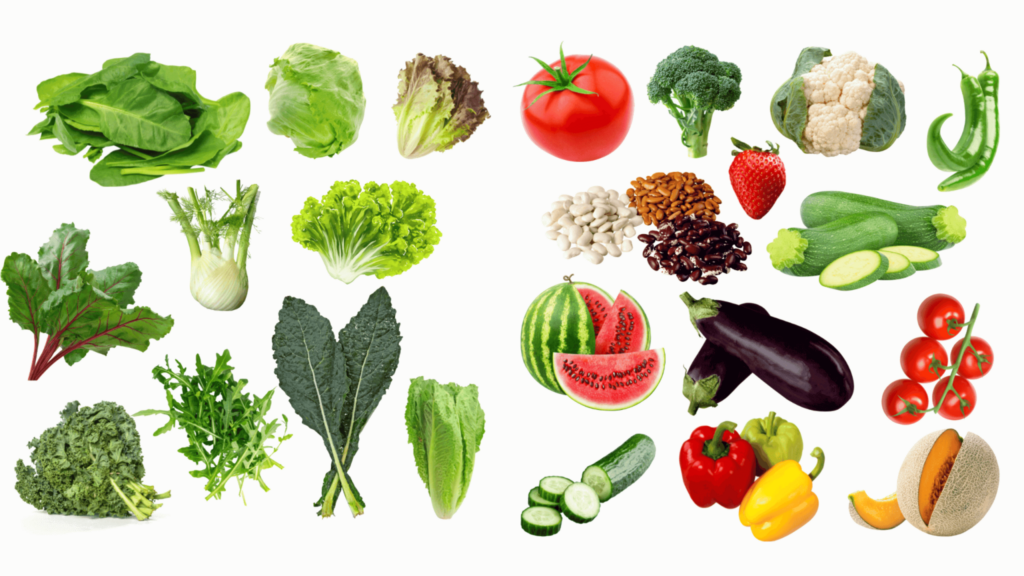
1. What Do You Want to Grow?
Not all plants have the same needs, and your answer to this question shapes everything else.
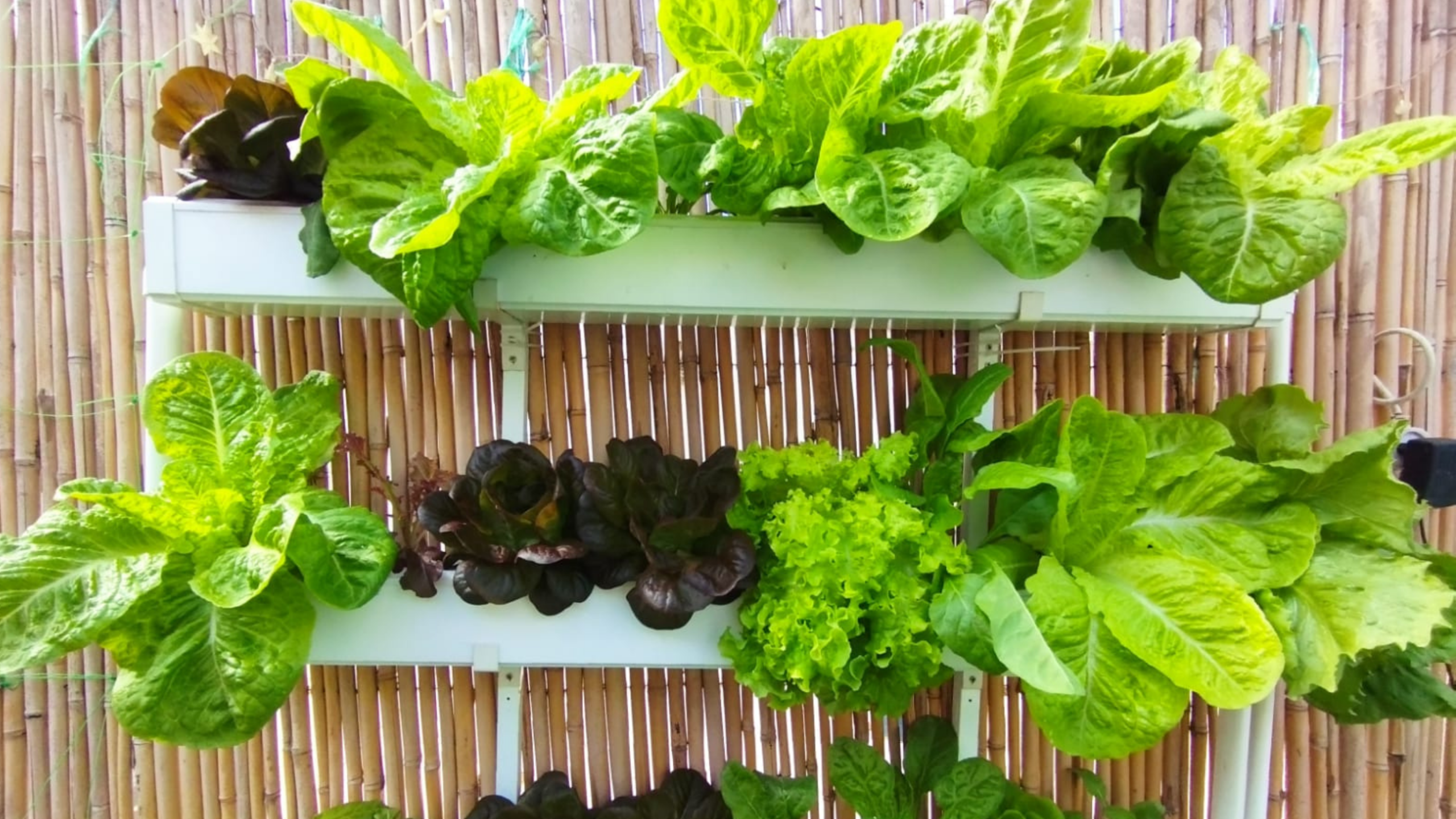
Herbs and leafy greens are forgiving. They don’t need much root space and can thrive with as little as 3 to 5 hours of direct sunlight. But if you want to harvest from those same plants repeatedly throughout the season, give their roots at least 4 inches of growing space.
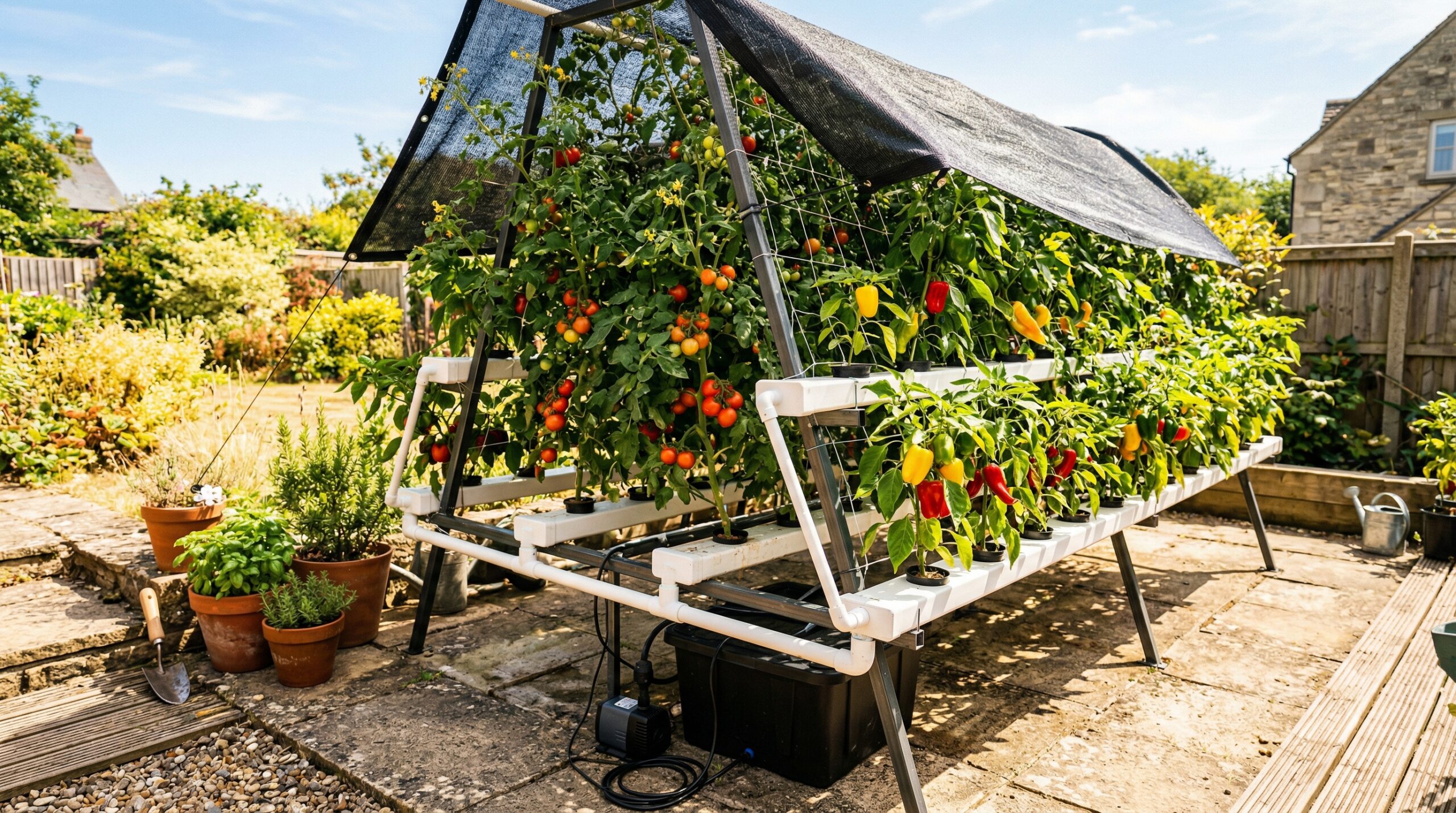
Fruiting vegetables like tomatoes, peppers, and cucumbers are more demanding. They need a minimum of 5 hours of direct sunlight and won’t compromise on root space: at least 4 square inches per plant. Crowding their roots into a system that’s too small leads to clogs, leaks, and disappointing harvests.

2. How Much Sunlight Does Your Chosen Spot Get?
Sunlight is essential for photosynthesis, which drives healthy, vigorous growth. If your system will be outdoors, make sure the location gets enough direct sun: at least 3 hours for herbs and leafy greens, at least 5 hours for fruiting vegetables.
If your outdoor spot doesn’t get enough light, or if you’re planning to grow indoors, you’ll need grow lights that deliver the right intensity and spectrum for the plants you’ve chosen. Good grow lights essentially replicate sunlight, so your plants won’t know the difference.
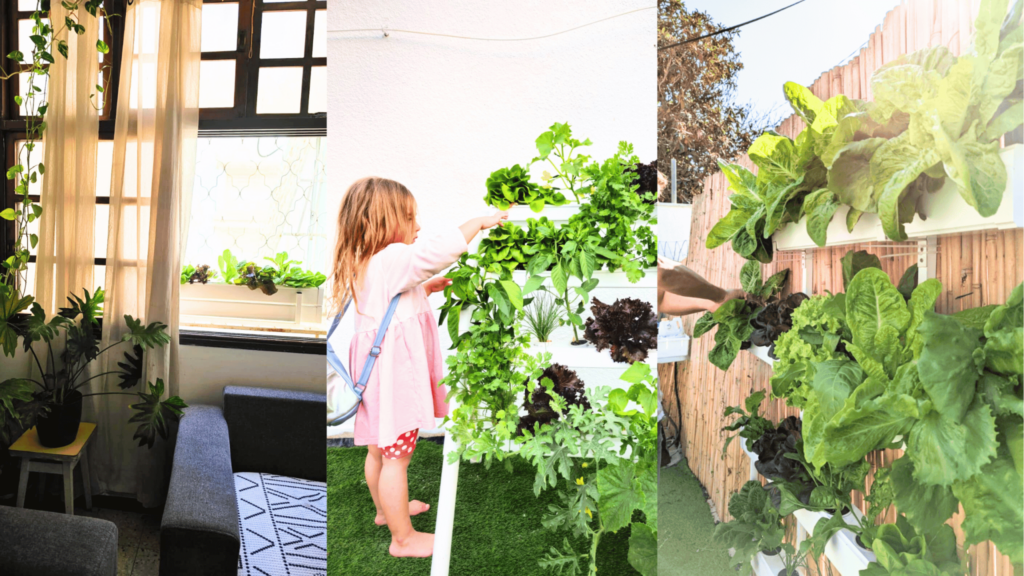
3. Wall, Countertop, Windowsill, or Floor?
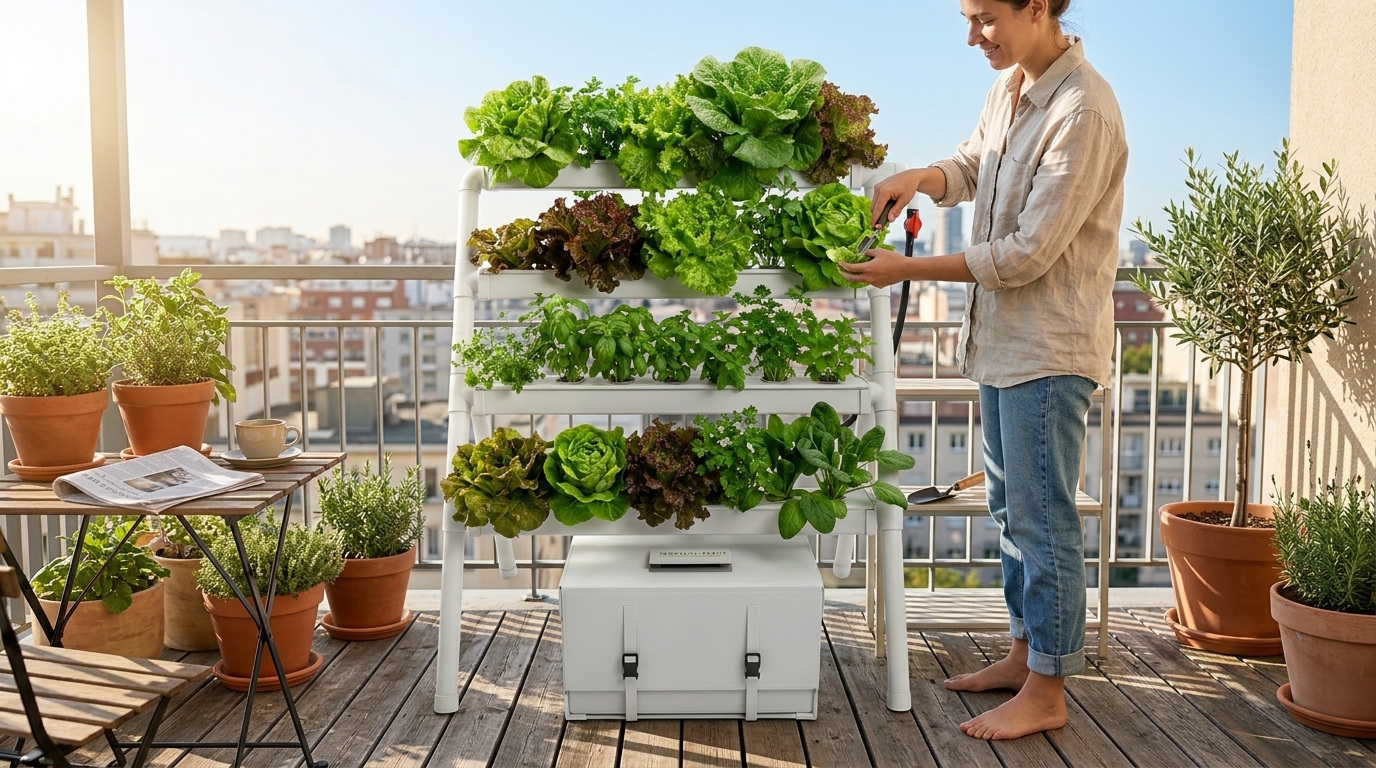
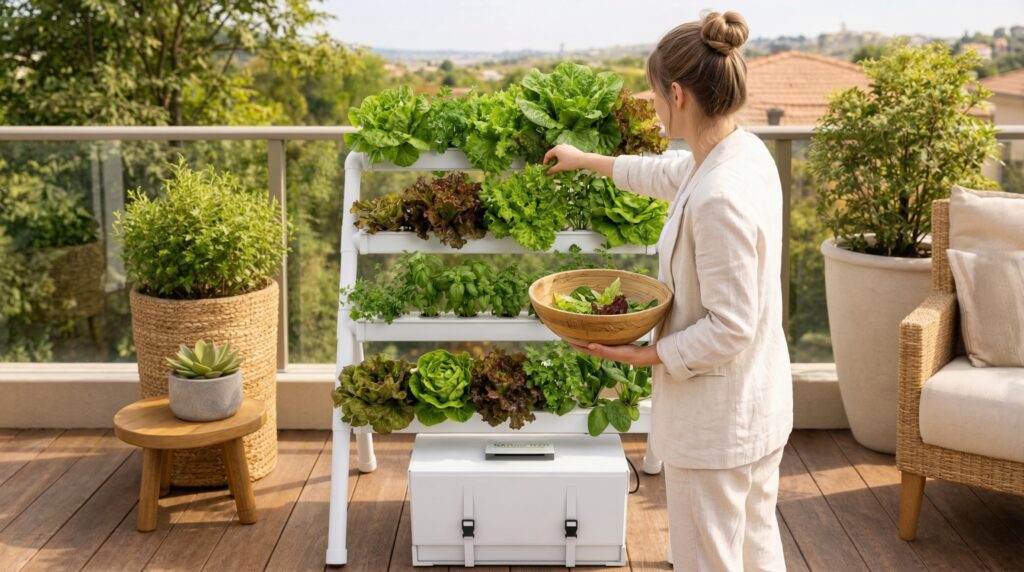
Today’s hydroponic systems offer real flexibility in placement. A well-lit empty wall can become a vertical garden. Open floor space on a patio or balcony can host a productive horizontal setup. A compact countertop or windowsill system can tuck neatly into your kitchen.
The key is to think about placement before you buy, not after. Measure the space, consider the light it receives, and match the system to the spot you have in mind.
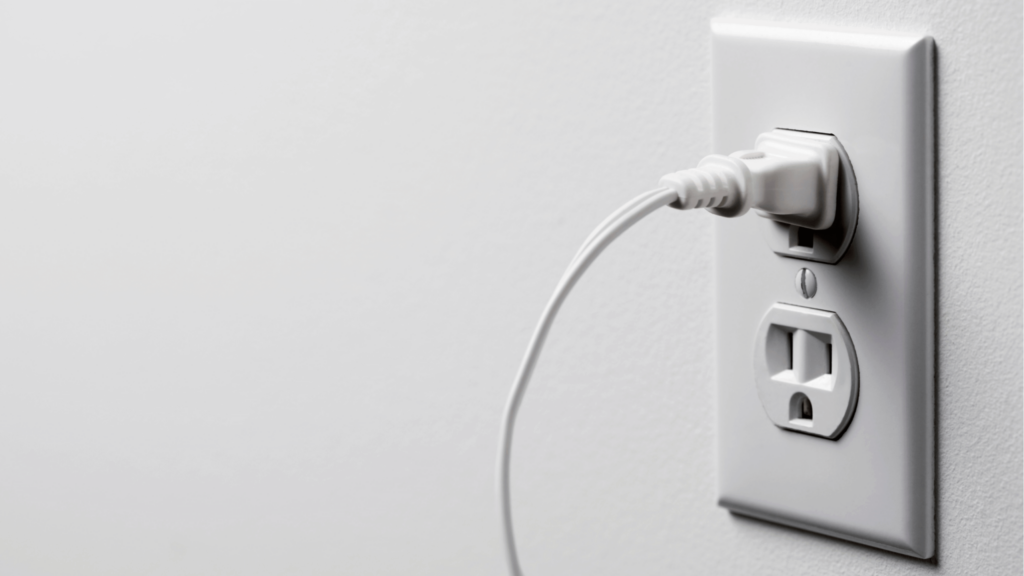
4. Do You Have Access to Electricity?
Most hydroponic systems rely on electric water pumps to circulate nutrient solution, so you’ll need a power outlet nearby. If your system is outdoors, make sure the electrical connection is weatherproof and rated for exterior use. The system stays plugged in through rain and all seasons, so safety matters here.
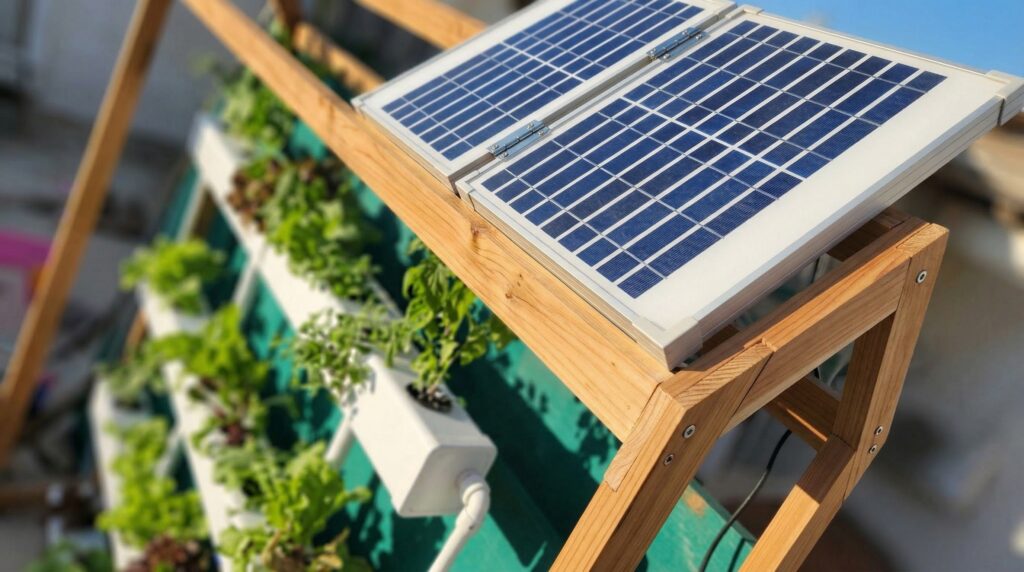
5. No Electricity but Plenty of Sun? Consider Solar
Some hydroponic systems can run their pumps on solar power. These tend to be systems that tolerate intermittent water flow without the roots drying out, like DWC (Deep Water Culture) and SWC (Standing Water Culture) setups. Keep in mind that NFT (Nutrient Film Technique) systems are not suitable for solar operation, since they depend on a continuous, steady flow of water.
6. Food-Safe Plastics Only
Not all plastics are created equal. Some degrade under prolonged exposure to direct sunlight, UV radiation, or contact with mineral-rich nutrient solutions. When the plastic breaks down, it can leach chemicals into the water your food is growing in.
Make sure your system is made from food-grade plastics designed to withstand these conditions. Look for materials like UPVC, PP, or PET. This is a detail that’s easy to overlook but important for your health over the long run.
7. Easy Cleaning Between Growing Cycles
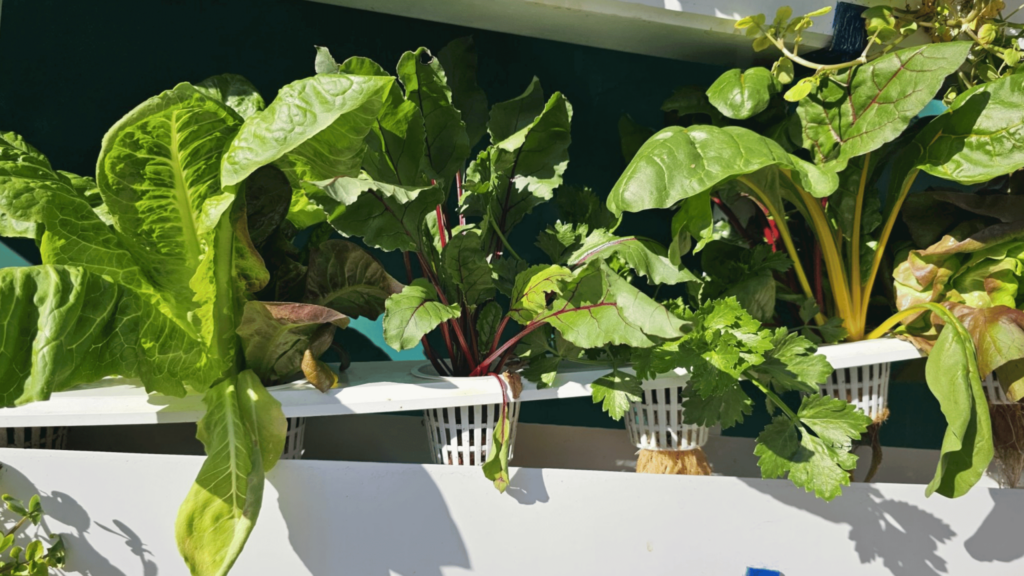
The hygiene of your hydroponic system determines the quality of your harvests over time. Closed systems that can’t be physically cleaned from the inside tend to accumulate organic buildup. That buildup becomes a breeding ground for bacteria and organisms that compete with your next round of plants for nutrients and oxygen.
At the end of each growing cycle, you should be able to clean and sanitize the inside of your channels or growing containers. That means choosing a system with parts that are easy to disassemble and reassemble. Systems with sealed, inaccessible channels may perform well at first, but results tend to decline over time as disease pressure builds. Eventually, that frustration leads people to give up on something that should have been enjoyable for years.

8. How Many Plants Do You Need to Actually Feed Your Household?
If one of your goals is growing enough to feed yourself and your family on a regular basis, it’s worth doing some rough math. There’s no universal formula, because it depends heavily on what you’re growing, how often you harvest, and how much of your diet is plant-based.
As a general guideline, plan for 1 to 2 plants of each vegetable type per person. This way, you can harvest from one plant while the other continues to grow, keeping a steady rotation going.
9. Who Made the System, and Will They Support You?
Hydroponic growing isn’t complicated. People with zero experience can get beautiful results. But along the way, you’ll likely run into a specific issue that requires some expert guidance: a nutrient imbalance, a pest you haven’t seen before, or a growth pattern that doesn’t look right.
Make sure you’re buying from an established company with a track record of responsive, knowledgeable support, not just at the point of sale, but months and years down the road. Read reviews that specifically mention customer support. That ongoing relationship can make the difference between a temporary hobby and a lasting practice.
10. Convenience in Purchase, Setup, and Maintenance
Convenience isn’t a luxury and it’s not something you should feel guilty about expecting. Today, you can find systems that ship directly to your door with everything included, that install quickly without special tools, and that require minimal ongoing effort to maintain.
A great hydroponic system should give you a rewarding experience with as little friction as possible. If setup takes an entire weekend and maintenance feels like a chore, the excitement fades fast. Look for a system that respects your time.
Choosing Well Means Growing Well
These ten considerations are here to help you make a choice that fits your goals, your environment, and your daily life. Hydroponic growing can be one of the smartest decisions you’ve made in years, as long as you pick the right system. Take your time, ask questions, and if you need help, reach out. We’re always happy to point you in the right direction.Share