Summer Hydroponics: 11 Common Warm-Weather Problems and How to Solve Them

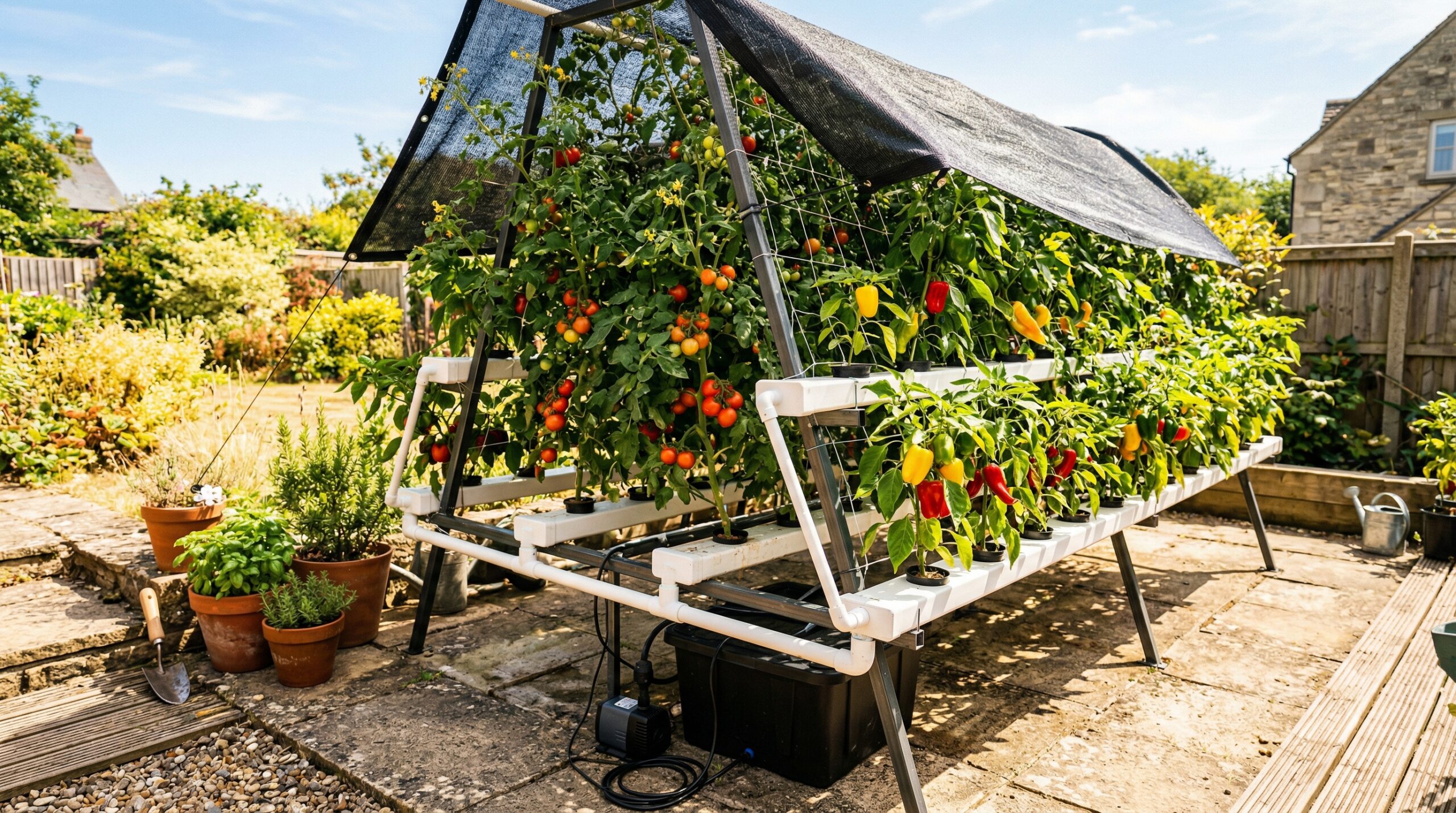
If winter hydroponics feels almost effortless, a season where herbs and greens practically grow themselves with minimal fuss, then summer is a different story entirely. Rising water temperatures, pest explosions, clogged channels, increased nutrient demands, too much sun, pollination challenges: the list of things that can go wrong grows right alongside your plants.
None of this means summer growing isn’t worth it. It absolutely is. But the growers who thrive in July and August are the ones who prepare in advance and understand what their plants actually need when the heat arrives. Here are the eleven most common summer challenges and what you can do about each one.
1. Your Water Is Getting Too Hot
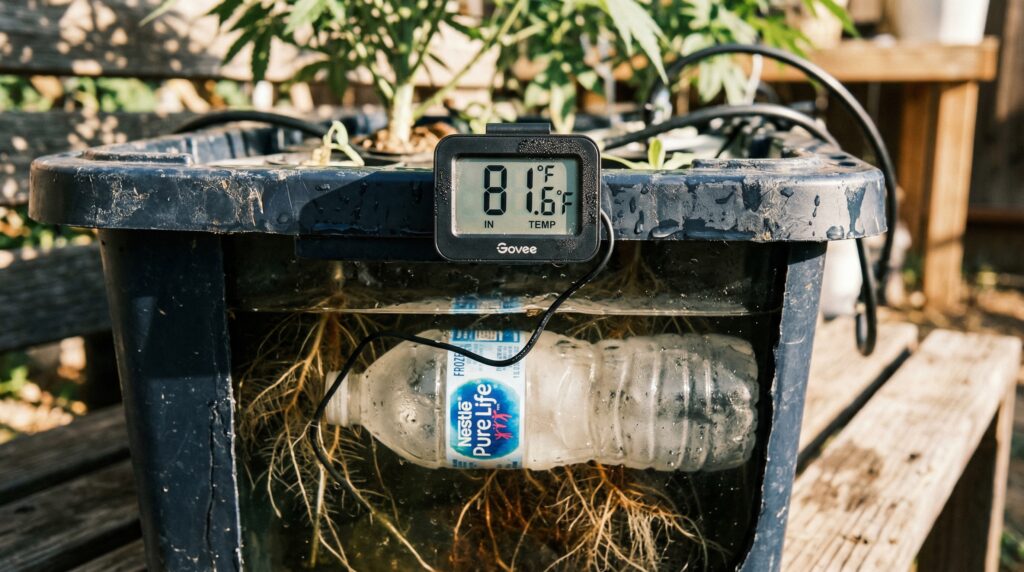
This is the single most universal summer problem for anyone growing outdoors. The recommended water temperature for healthy hydroponic growth sits between 64°F and 79°F, with around 70°F being the sweet spot for most crops.
When water heats up beyond that range, dissolved oxygen drops. Low oxygen leads to root disease and dramatic pH swings, both of which can spiral fast.
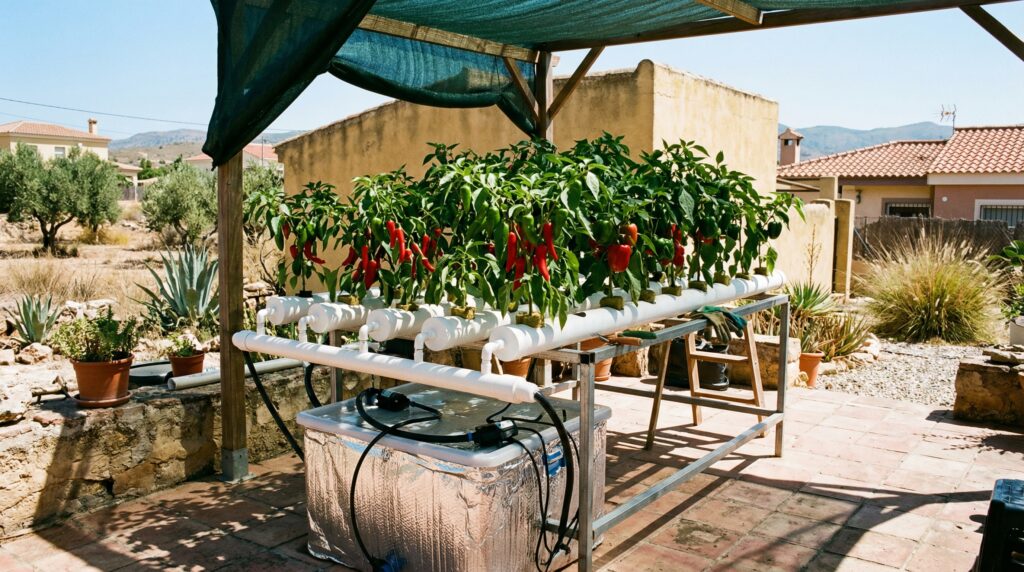
What to do: Start with the simple fixes: insulate or shade your reservoir, improve airflow around it, or drop a frozen water bottle inside to bring the temperature down temporarily. These DIY approaches work in moderate climates, but if you’re growing in the South, the Southwest, or anywhere summer temperatures regularly push past 95°F, they may not be enough. In that case, a water chiller is the professional solution. It’s an investment, but it gives you precise, consistent temperature control all season long.
2. Root Disease Is Spreading
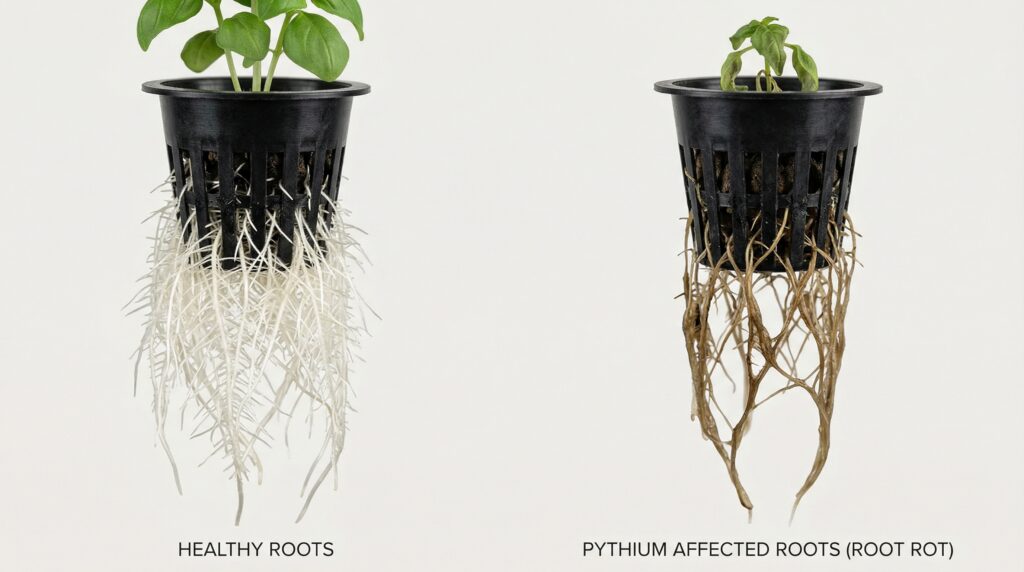
Root diseases spike in summer. If you notice roots losing their healthy white color, turning brown or black, and developing a soft, almost jelly-like texture, you’re likely dealing with Pythium. This fungal parasite spreads quickly, and in recirculating systems where all plants share the same water, it can infect every plant in the system simultaneously.
What to do: If you catch it early, before the plants show serious above-ground damage, you can fight back with hydrogen peroxide. A proper dose added to your reservoir disinfects the system and can restore root health. If you’ve caught it too late and the damage is severe, the safest move is to remove all affected plants, thoroughly clean and disinfect the entire system, and start fresh with new seedlings.
3. Pests Are Everywhere
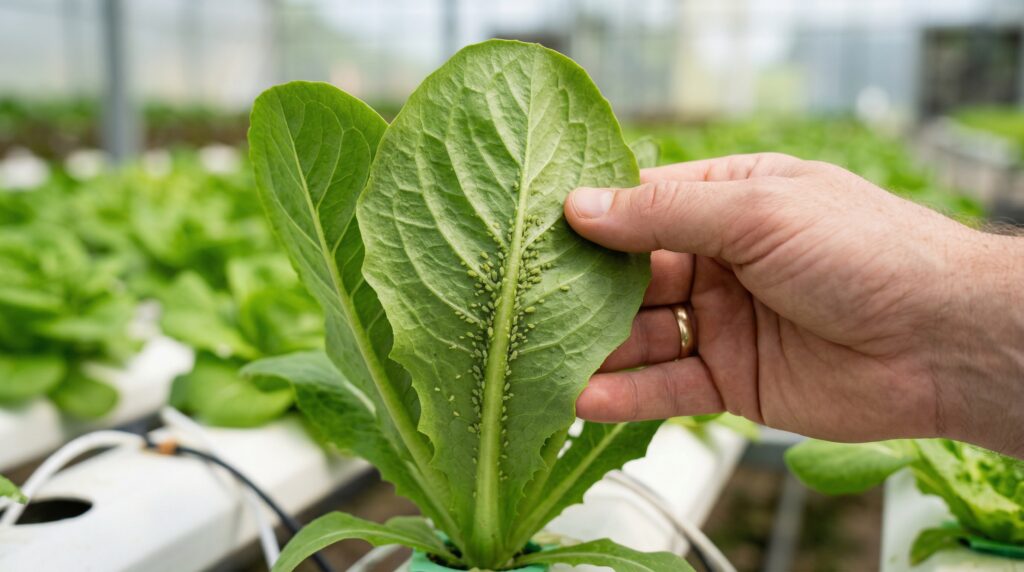
Summer is when every annoying pest wakes up hungry. Your hydroponic plants aren’t growing in soil, so you avoid soil-borne diseases and many ground-dwelling pests, but that doesn’t protect you from flying or climbing visitors.
Aphids, spider mites, mealybugs, and powdery mildew spores are just some of the uninvited guests that may show up. Pests are especially attracted to young or stressed plants that haven’t yet developed their natural defenses.
What to do: Prevention is always better than treatment. Keep the area around your system clean, inspect leaves daily, and remove any affected foliage the moment you spot something. Catching a problem early, before a colony establishes itself, saves you from reaching for heavy interventions later. If you’re already in the middle of an infestation, organic insecticidal soaps, neem oil sprays, and targeted biological controls are your best tools.
4. Powdery Mildew on Squash and Cucumbers
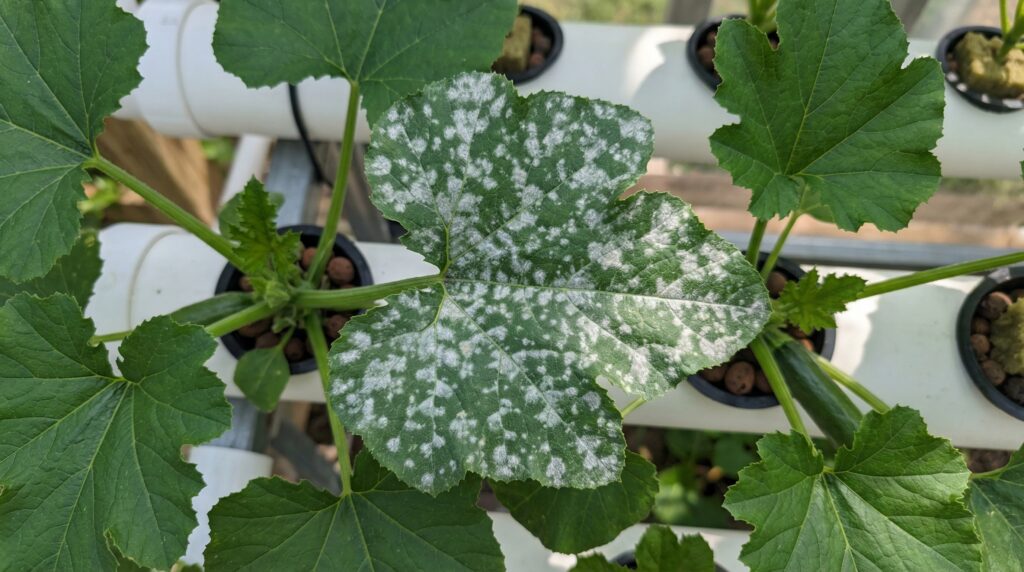
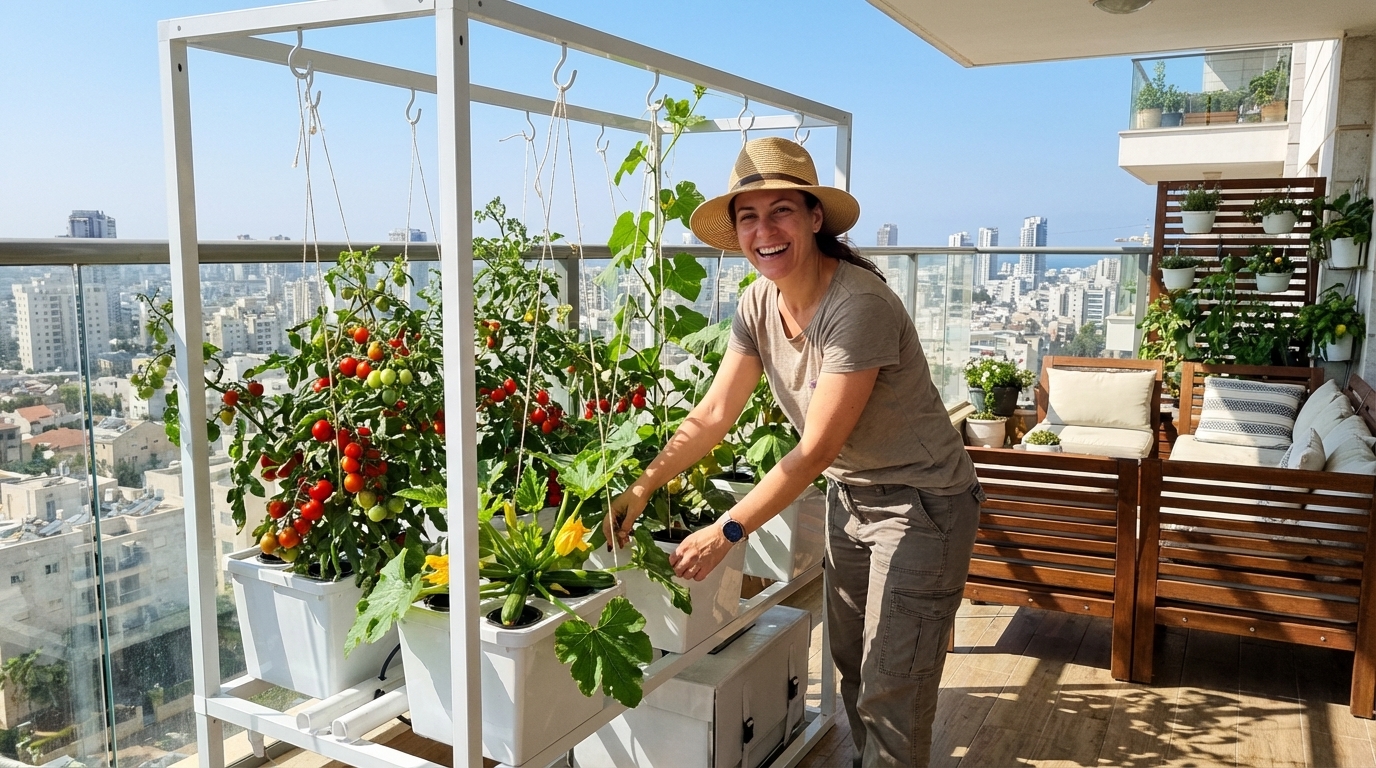
Powdery mildew deserves its own section because of how common it is, especially on cucurbits like zucchini and cucumbers. Zucchini is one of the most fun summer crops to grow: low maintenance, no trellising required, and it produces fruit faster and more abundantly than almost anything else in your garden. But many growers eventually notice white, powdery patches appearing on the leaves, and in advanced cases, on the stems as well.
This is powdery mildew, a fungal disease that spreads rapidly and, left untreated, can overwhelm the entire plant.
What to do: In the early stages, remove the most affected leaves and spray the remaining foliage daily with a solution of one teaspoon of baking soda dissolved in a quart of water. Continue for about two weeks. If the mildew persists, step up to a sulfur-based fungicide or a product specifically labeled for powdery mildew, and follow the application instructions carefully.
5. Tomato Troubles: Blossom End Rot and Leaf Miners
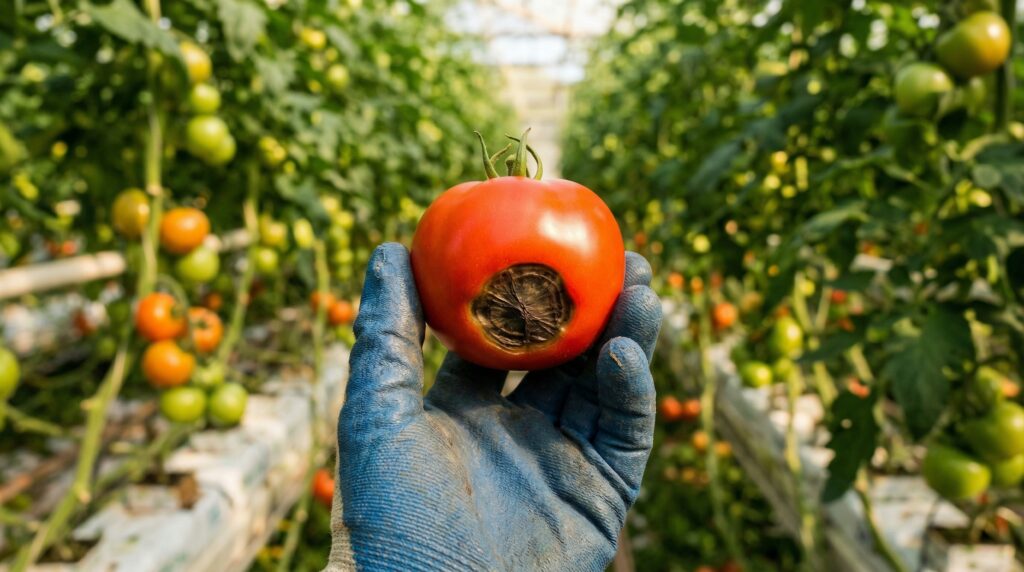
Hydroponic tomato growers often encounter a frustrating sight: dark, sunken spots forming on the bottom of developing fruit. This is blossom end rot, and it’s caused by a calcium or potassium deficiency, or both, during the fruiting stage.
The reason is straightforward. During its early vegetative growth, a tomato plant needs plenty of nitrogen. But once it starts setting fruit, its nutritional needs shift toward calcium and potassium. If your nutrient formula doesn’t adjust accordingly, blossom end rot is the result.
What to do: Most balanced hydroponic nutrient solutions contain enough calcium and potassium to prevent this, but if it’s happening, add a Cal-Mag supplement and a bloom booster to your reservoir.
Another common summer tomato pest is the tomato leaf miner (Tuta absoluta). This moth larvae tunnels through leaves, creating visible trails, and reproduces rapidly in warm weather between 77°F and 95°F. It can reduce yields by 50% or more, and in severe cases, kill the plant entirely.
What to do: Prevention with insect netting is the best approach. If you’re already under attack, neem oil-based sprays are an effective organic treatment. Act quickly, because this pest escalates fast.
6. Too Much Sun
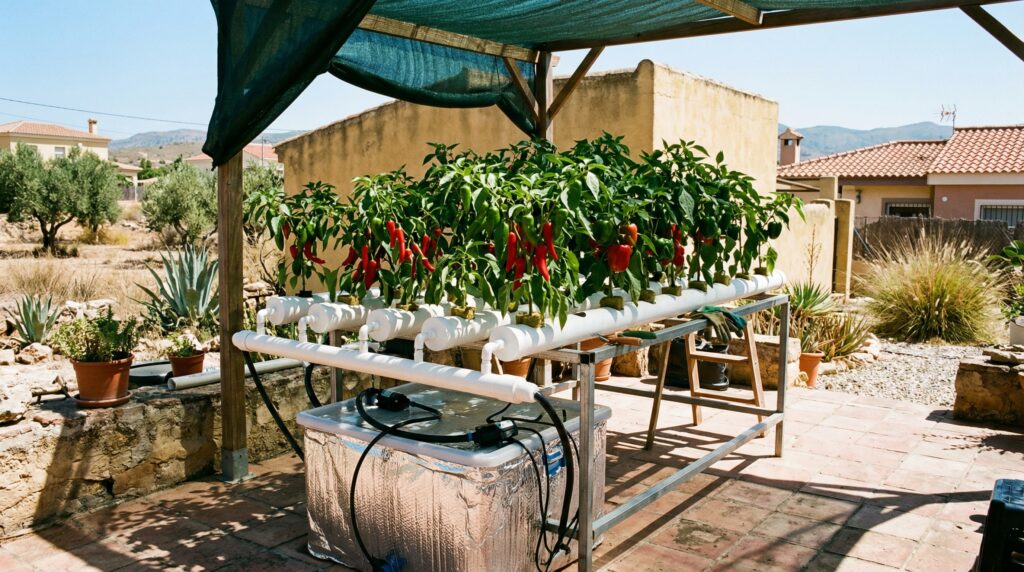
It sounds counterintuitive, but summer sun can actually be too much of a good thing. Tomatoes, for example, need a DLI (Daily Light Integral) of about 35 mol/m²/day, but full summer sun in much of the U.S. delivers 50 to 65 DLI or more. That excess light stresses plants, causes leaf burn, and can reduce fruit quality.
What to do: If your system sits in full sun all day, install a 50% shade cloth over your growing area. This filters the radiation down to the range your plants actually need, without blocking too much. It’s an inexpensive fix that makes a dramatic difference.
7. The Reservoir Keeps Dropping
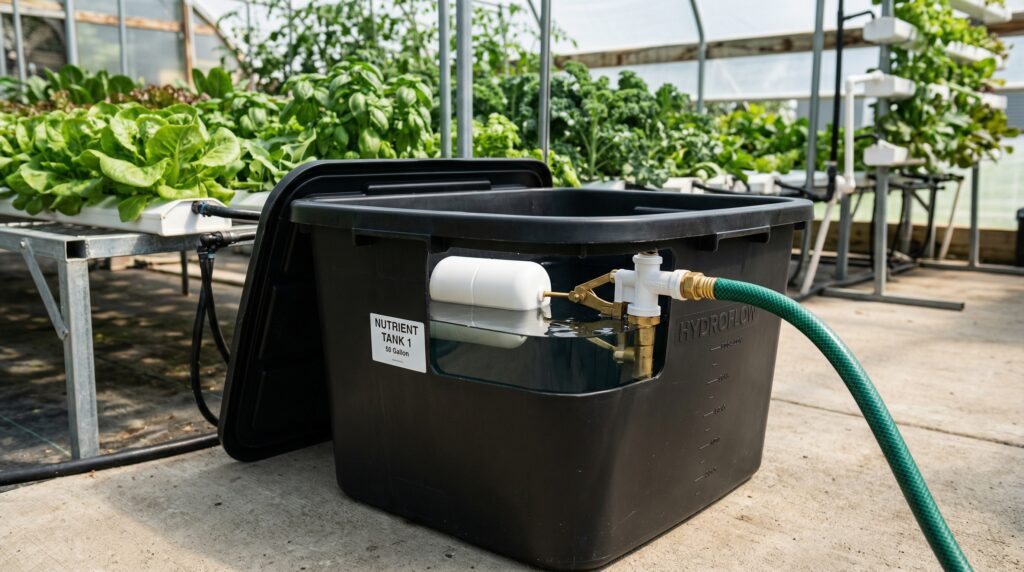
Many growers panic in mid-summer when their reservoir seems to empty overnight. They check for leaks, inspect every fitting, and find nothing wrong. The water isn’t leaking. Your plants are drinking it.
Summer fruiting crops with large, mature canopies transpire enormous amounts of water, especially when temperatures are high. A system with 24 mature plants and an 8-gallon reservoir can easily lose a third to half its water in a single day. That’s not a malfunction. That’s healthy, productive plants doing what they do.
What to do: Install a float valve connected to your water supply. It automatically tops off the reservoir whenever the water level drops below your set point, preventing dry pumps and protecting your plants during the most demanding time of year.
8. Fruit Turning Yellow and Dropping
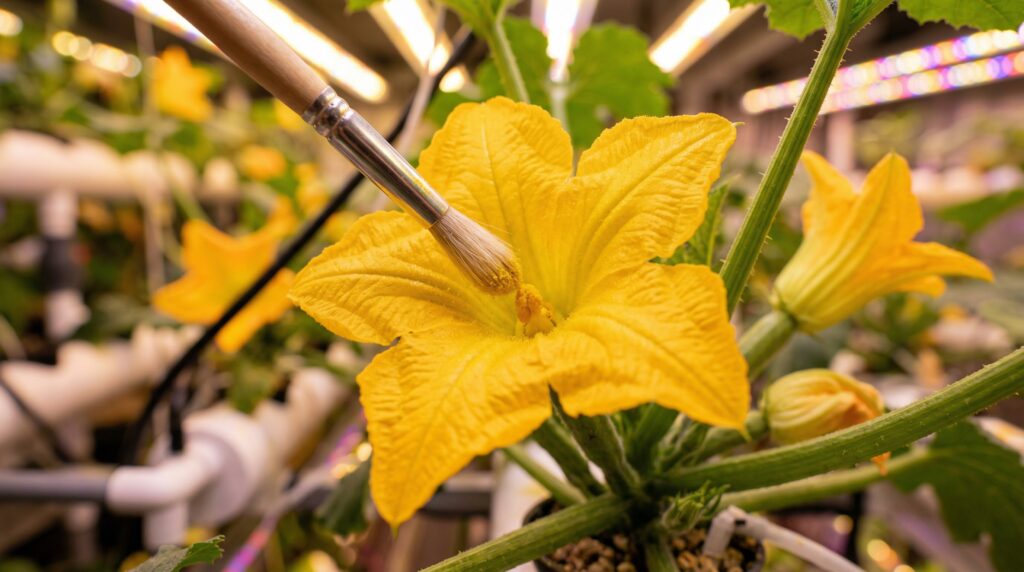
Your plants grew lush and green, produced beautiful flowers that opened proudly every morning, even started setting small fruit, and then those tiny fruits turned yellow and fell off. Or worse, stayed on the plant and rotted.
Most of the time, this means incomplete pollination. Outdoors, wind, bees, and butterflies handle this naturally. But in sheltered setups, enclosed patios, or indoor gardens, there may not be enough natural pollinators to do the job.
What to do: Pollinate by hand. Identify the male and female flowers on your plants and transfer pollen using a small cotton swab or a soft brush. It takes a minute or two per plant, and the difference is immediate. Once you start assisting with pollination, you’ll see fruit not only setting but growing and developing the way you expected.
9. Clogged Channels and Leaks in NFT Systems
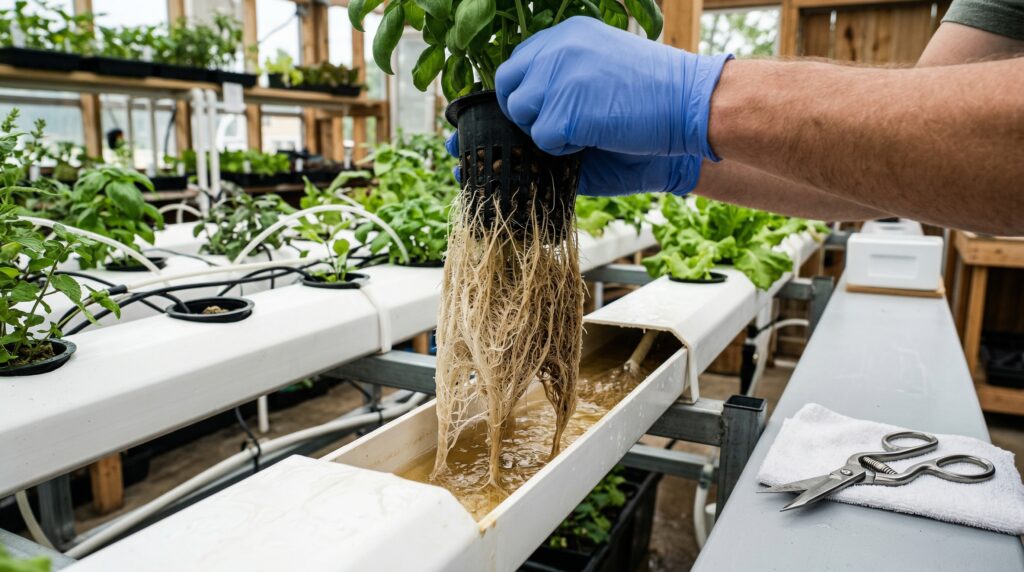
Summer fruiting vegetables don’t just grow massive canopies above ground. They also develop large, vigorous root systems below. In NFT (Nutrient Film Technique) systems, those roots can fill the channels completely, pushing plants out of their slots and blocking water flow. The result: dripping, leaking, and uneven nutrient delivery.
It doesn’t happen right away. At first, everything looks great as your system fills with green. But after a few weeks, you’ll notice plants lifting out of their channels and water pooling where it shouldn’t be.
What to do: Trim roots every two to three weeks. Gently lift the plant and its net cup from the channel, cut away about two-thirds of the root length, and place it back. Root pruning doesn’t harm the plant, and it keeps your channels flowing freely all season.
10. Algae Is Taking Over
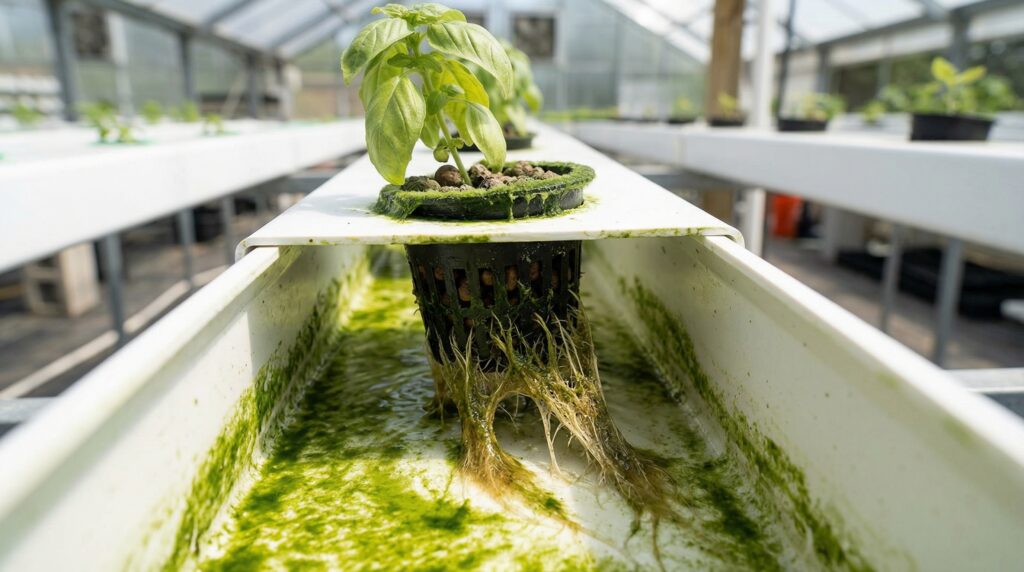
Algae is a plant, just like the crops in your system. It photosynthesizes, feeds on dissolved minerals, and loves water and sunlight. If light is reaching the inside of your system, algae will find a way to grow there: in your channels, on your roots, inside your net cups, and across your reservoir walls.
Left unchecked, algae consumes nutrients meant for your plants and suffocates roots by blocking oxygen uptake.
What to do: The root cause is always light penetration. Cover any empty planting holes. Add clay pebbles, rockwool, or even a piece of sponge to net cups where light is getting through. If your reservoir is translucent or light-colored, wrap it or cover it so no sunlight penetrates.
Once you’ve blocked the light sources, remove your plants, rinse the roots under running water, disassemble the system, and clean every component. Flush the system with a hydrogen peroxide solution at the recommended concentration, let it circulate for a few hours, drain it, refill with fresh nutrient solution, and replant. With the light sealed out, algae won’t return.
11. Summer Demands More From You
If winter growing is forgiving, almost passive, summer hydroponics requires genuine commitment. The water heats up. Pests multiply. Plants grow bigger and drink more. Everything demands more of your attention, your time, and sometimes your budget.
Some growers decide that summer isn’t their season and shut their systems down from July through September. There’s no shame in that. But if you decide to keep growing through the heat, know what you’re signing up for: daily monitoring, consistent nutrient management, proactive pest control, and a willingness to solve problems as they come.
What to do: The single best strategy is to give your plants the best possible environment from the start. Stable water temperature, proper shading, clean channels, balanced nutrition, and regular inspections. When the fundamentals are solid, most summer problems either don’t appear or stay manageable. When corners get cut, problems compound and frustration follows.
Decide before summer arrives what kind of grower you want to be this season. Either commit fully and enjoy the incredible harvests that summer fruiting crops can deliver, or take a break and come back in fall when conditions ease up. Both are perfectly valid choices. What matters is that you make the decision intentionally, not after the problems have already piled up.