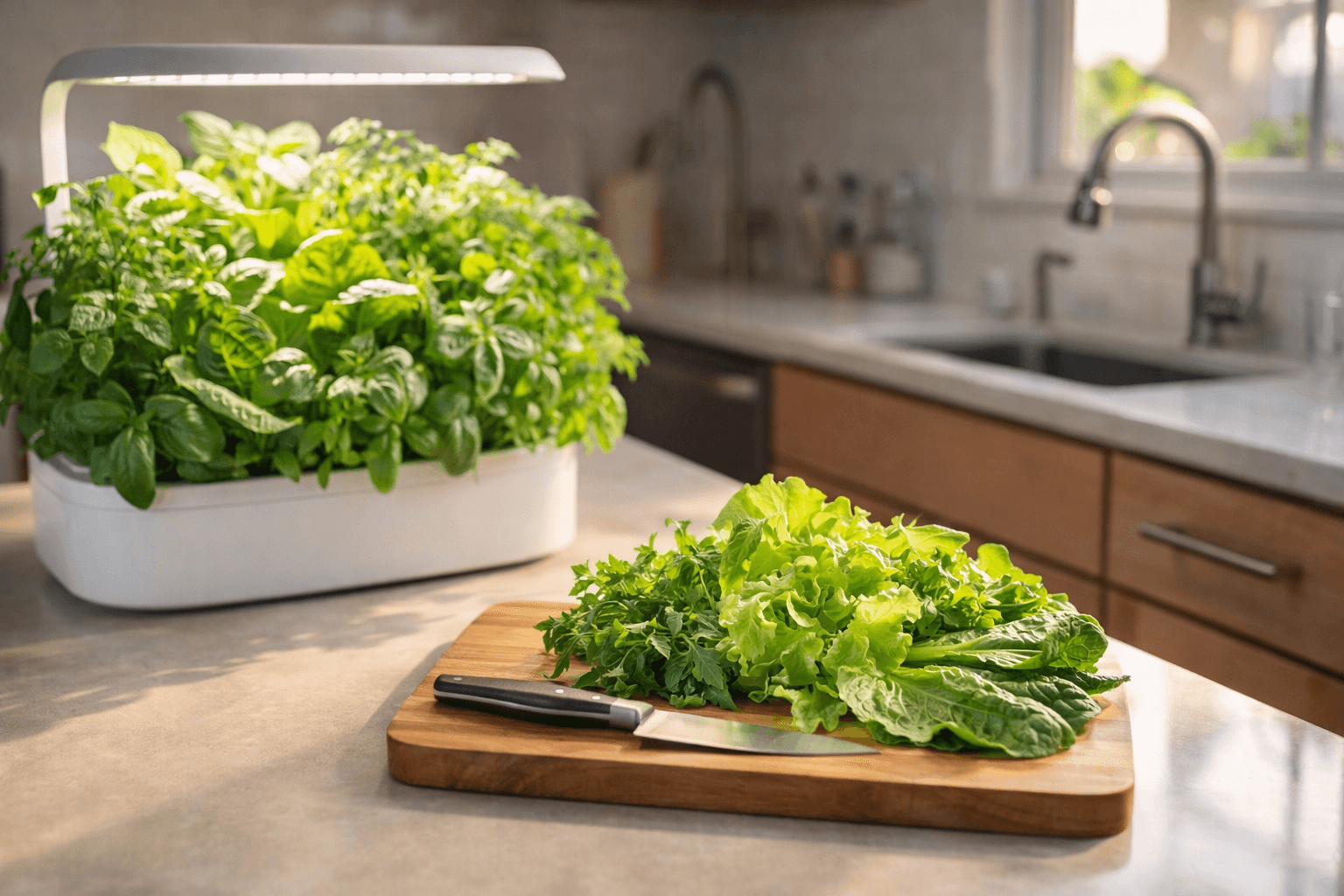
Indoor Hydroponic Garden, Real Life Edition: Our Dining Corner Turned Into a Tiny Farm

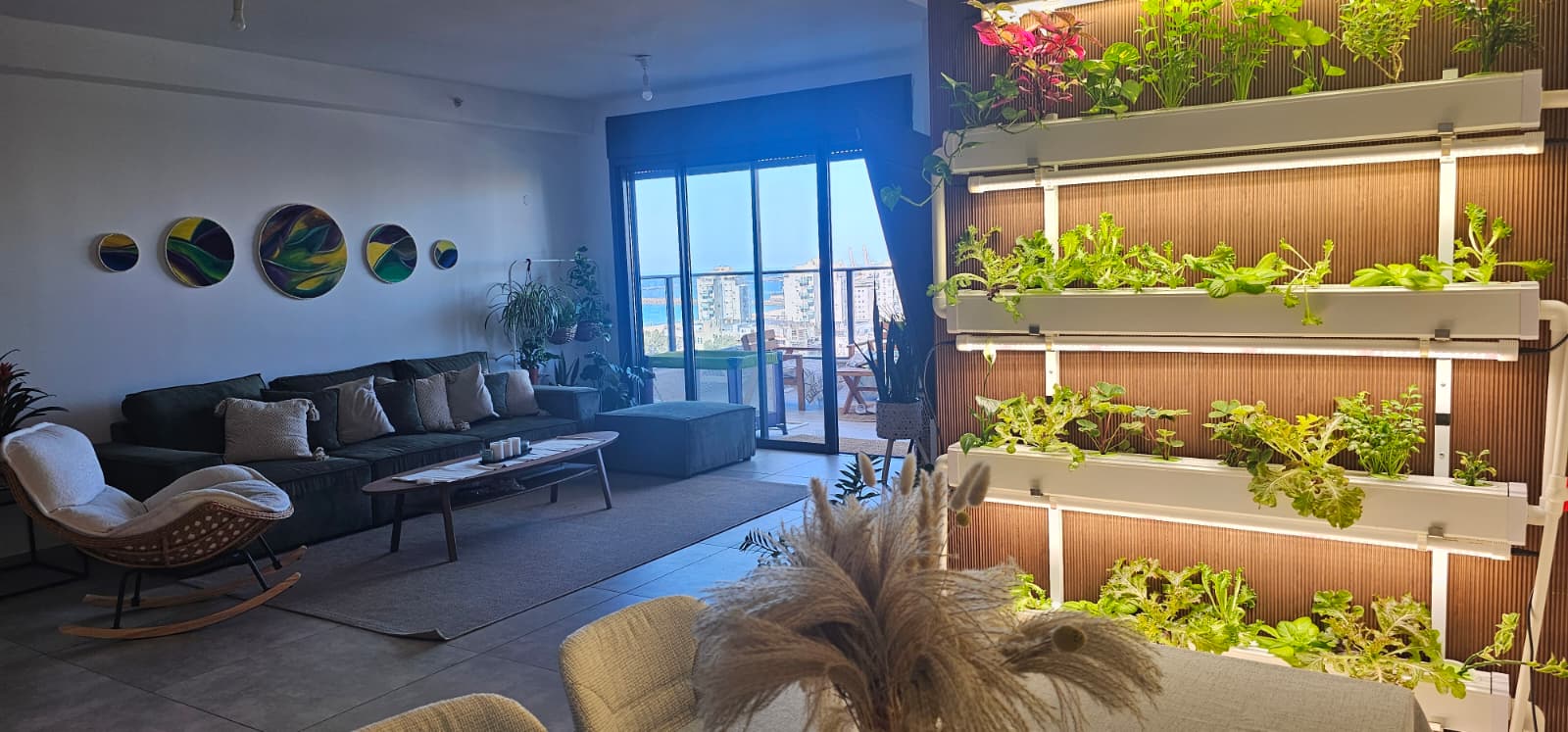
There’s a moment I didn’t expect when we set up an indoor hydroponic garden at home.
Not the first time the lights turned on. Not the first time roots appeared. It was quieter than that.
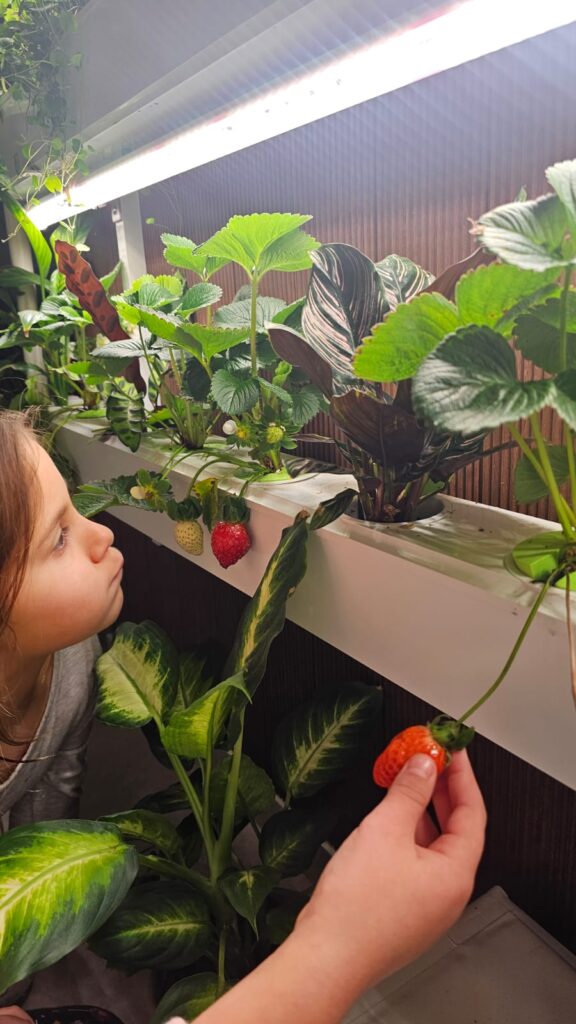
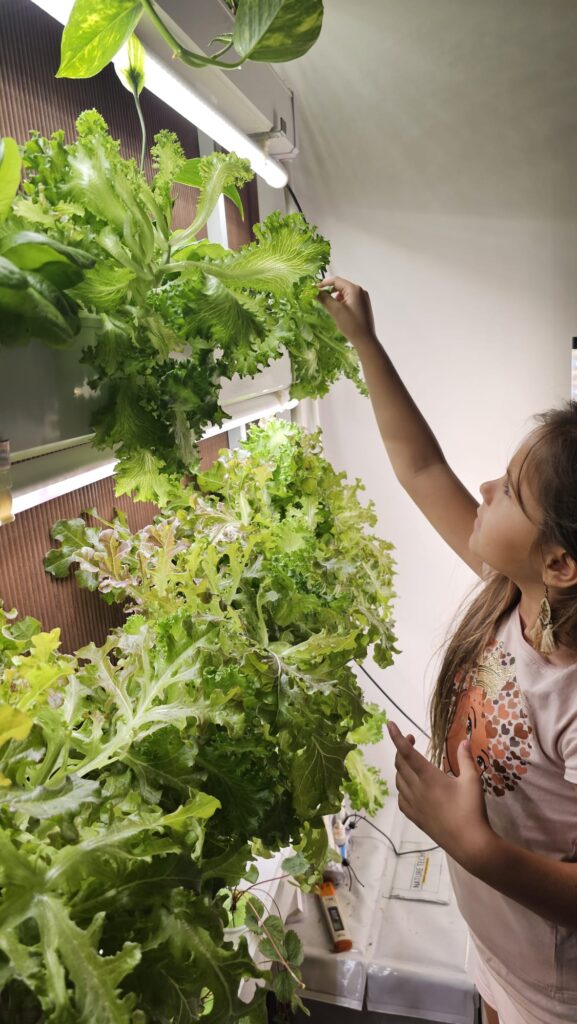
It was my daughters standing in front of the channels, scanning for tiny changes like they were reading a living story: a fresh leaf unfurling, a stem leaning toward the light, a strawberry finally blushing red enough to pick.
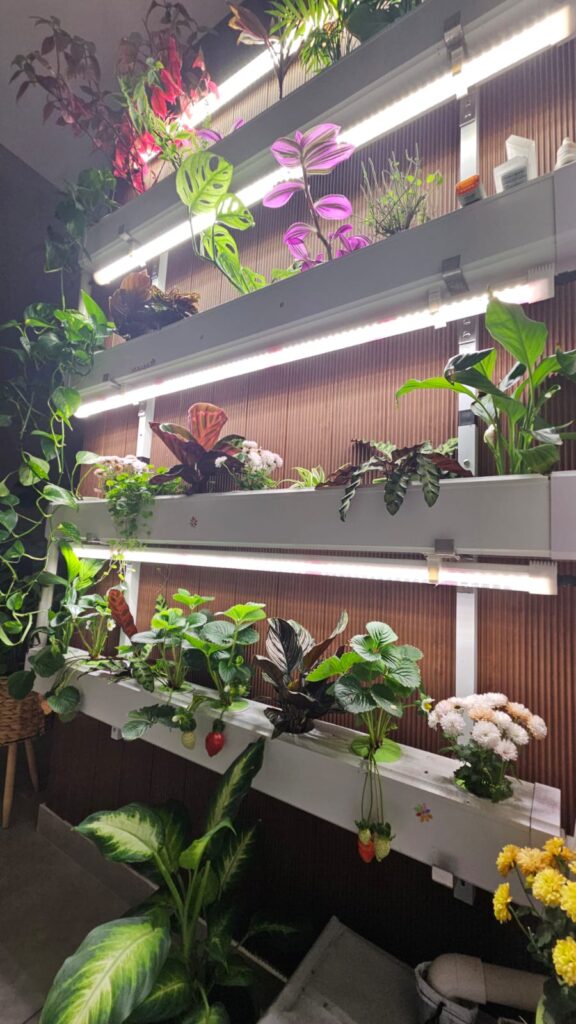
Our hydroponic garden isn’t tucked away in a greenhouse. It lives in the dining corner, where everyday life happens. And somehow, that’s exactly why it works.
I’ve worked with hydroponic systems for a long time, but I’d never treated one as part of the home itself-something you enjoy looking at, not just something you manage. That shift changed everything.
What an indoor hydroponic garden feels like when it’s done right
Most people picture hydroponics as technical. Pumps, measurements, constant monitoring. Something impressive, but a little intimidating.
In our home, it’s the opposite. The system blends into the room, and the plants become the presence.
We can see growth up close without stepping outside. We can harvest something small in the middle of a normal week. And we get that steady, calming feeling of caring for something living that quietly improves with time.
A good indoor hydroponic garden doesn’t just grow food. It changes the atmosphere of a home.
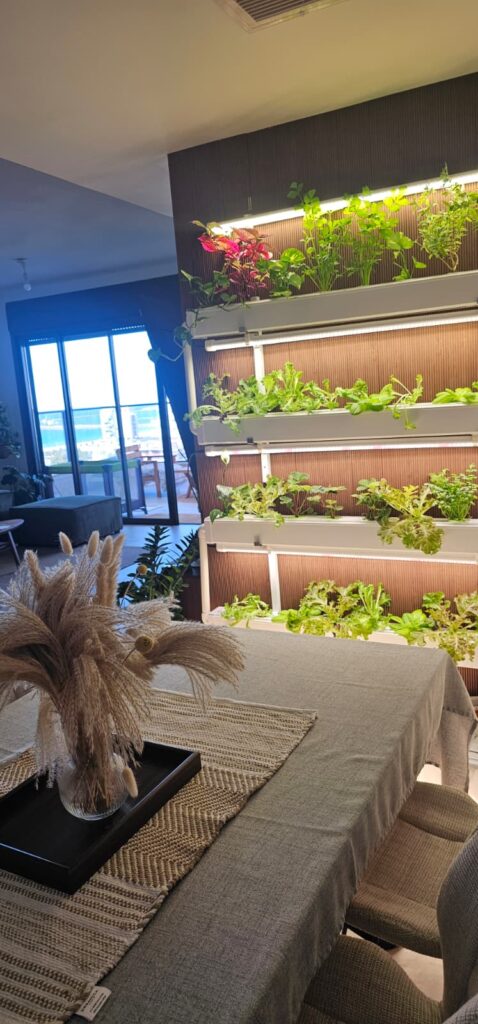
Our setup: Shallow Water Culture (SWC), the “calm” version of hydroponics
The system we use is SWC, Shallow Water Culture.
In plain terms, a shallow layer of moving water, around an inch deep, flows through the channels from a reservoir and returns back again. The plants sit above it, with roots reaching into that thin stream.
The top cover is removable, which means you can actually look at the roots. That’s one of the most underrated parts of having a hydroponic garden indoors: you’re not guessing what’s happening. You can see it.
If you’ve heard of NFT (Nutrient Film Technique), SWC is closely related. The difference is that SWC runs a slightly deeper flow, which can feel more forgiving in real home conditions, especially when you want stability more than maximum speed.
What we grow now, and why it’s more than “just salad”
In the past we grew classic edible crops like lettuce, celery, Swiss chard, and other leafy greens. Those plants are the honest, reliable backbone of many home hydroponic gardens.
But over time, our garden became something else too.
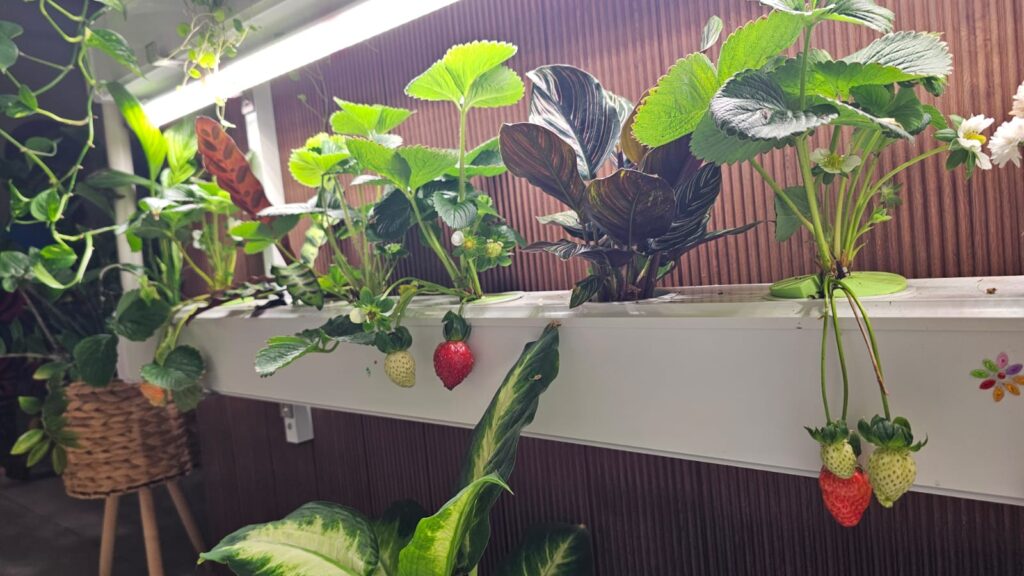
We chose to grow more ornamentals because they’re simply breathtaking. Each plant is its own masterpiece of nature, and together they turn the system into the most beautiful corner of the house. Not “decor” in the background. A living, layered composition that adds depth and character to the whole space.
And then there are the strawberries. They’re not about volume. They’re about joy. They’re the kind of plant that makes you pause, lean in, and look closer.
An indoor hydroponic garden doesn’t have to be one strict purpose. It can be part edible, part beauty, part family ritual.
The part everyone worries about: maintenance (what it really takes)
The maintenance is lighter than most people assume, but it isn’t “nothing.” It’s more like a small routine that keeps the system quietly stable.
We top up the reservoir when the water level drops. We add hydroponic nutrients lightly, based on what we’re growing and how the plants look.
Here’s the key nuance: ornamentals generally don’t force you into frequent pH and EC adjustments, because you’re not pushing them for fast harvest and high nutrient demand. Leafy greens are different.
If you’re growing edible leafy crops indoors, it’s smart to check your basics regularly.
A simple rhythm that works well in real homes is checking EC and pH about once every 1–2 weeks, then making small adjustments rather than dramatic ones. It’s not about chasing perfection. It’s about keeping leafy greens in a comfortable zone so they keep growing evenly, without mystery slowdowns.
And the biggest trap is the one that feels responsible: constant tinkering. Many “hydroponic problems” at home aren’t caused by the system drifting. They’re caused by over-correcting a system that was already fine.
Why this works inside a home (and why it doesn’t feel like a lab)
A hydroponic garden indoors succeeds when it matches real life:
- It stays visually clean.
- It runs quietly.
- It doesn’t demand daily attention.
- It rewards you often enough to keep you emotionally invested.
Our system checks those boxes, which is why it became part of the home instead of another project we “should get back to.”
It’s also why the kids love it. They don’t experience it as gardening homework. They experience it as discovery.

You can go two ways with an indoor hydroponic garden: build it yourself, or buy a ready-made system. DIY can be incredibly satisfying if you like tinkering and want full control. A ready-made setup can be the fastest path to something clean, quiet, and reliable-especially if you want it to blend into your space from day one. If you want the exact system we used as inspiration, drop a comment and I’ll share the link.
The honest conclusion
I didn’t install this indoor hydroponic garden to prove anything.
I installed it because I wanted a living corner in the house. Something beautiful, something real, something that makes you notice time in a different way. The food is a bonus. The atmosphere is the point.
And that’s what surprised me most: hydroponics at home can be clean, modern, and deeply human. Not because it’s a trend, but because it brings nature back into the room where life actually happens.

Ashley
Ashley writes about the personal side of hydroponic growing at Water Cultures. A mother of three outside Austin, she has been growing plants hydroponically for years — long enough that the novelty has worn off and been replaced by something deeper. She writes like she is telling a friend about something she noticed.