Are Hydroponic Vegetables Healthier Than Store-Bought? A Real-World Look at What Changes When You Grow Your Own

Most people don’t struggle to “eat healthier” because they lack discipline. They struggle because the system is quietly stacked against them.
The greens look great in the store, then they sit in the fridge, then they get weird, then you feel guilty throwing them out, and eventually you stop buying them as often. Not because you stopped caring, but because you got tired of losing the same small battle.
So here’s a more interesting question than “Are hydroponic vegetables healthier?”
What actually changes when the distance between “harvest” and “plate” collapses from a supply chain to a few steps in your home?
That’s where the health story lives
1) Freshness stops being luck
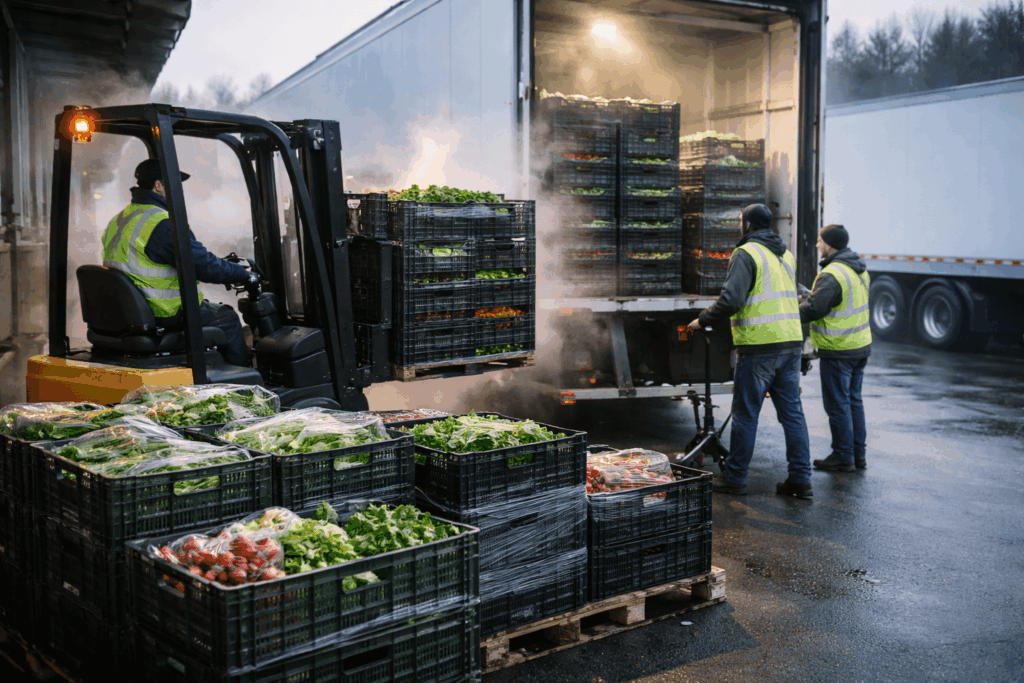
In the U.S., fresh produce often travels farther than people realize. One widely cited estimate (based on multiple studies) is that fresh produce travels over about 1,500 miles before it’s consumed.
That doesn’t mean everything is shipped across the country, and it doesn’t mean quality is always bad. It means “fresh” is frequently a negotiated outcome, managed through harvest timing, refrigeration, storage, and handling.
The part that matters for health is simple: some nutrients and quality compounds are fragile. Time and temperature don’t just change how vegetables look and taste; they change what remains inside them.
A UC Agriculture and Natural Resources postharvest guide illustrates this with “days to retain 80% nutrient value” across temperatures, showing how warmer storage conditions shorten that window for many vegetables.
You don’t need to memorize the numbers to understand the implication: even when food is handled correctly, the clock is still ticking.
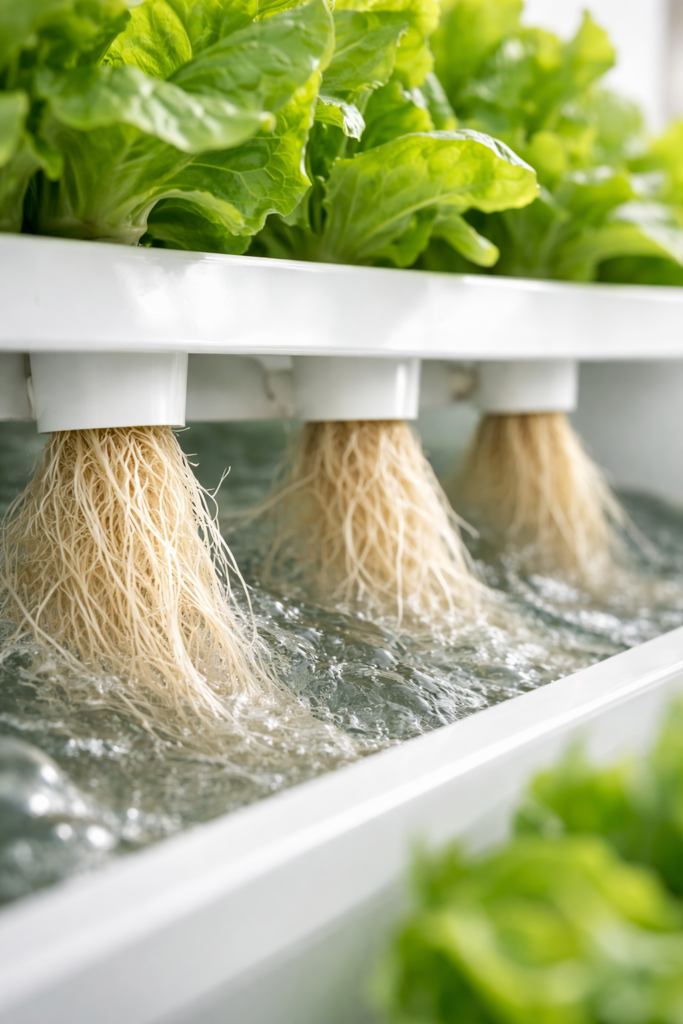
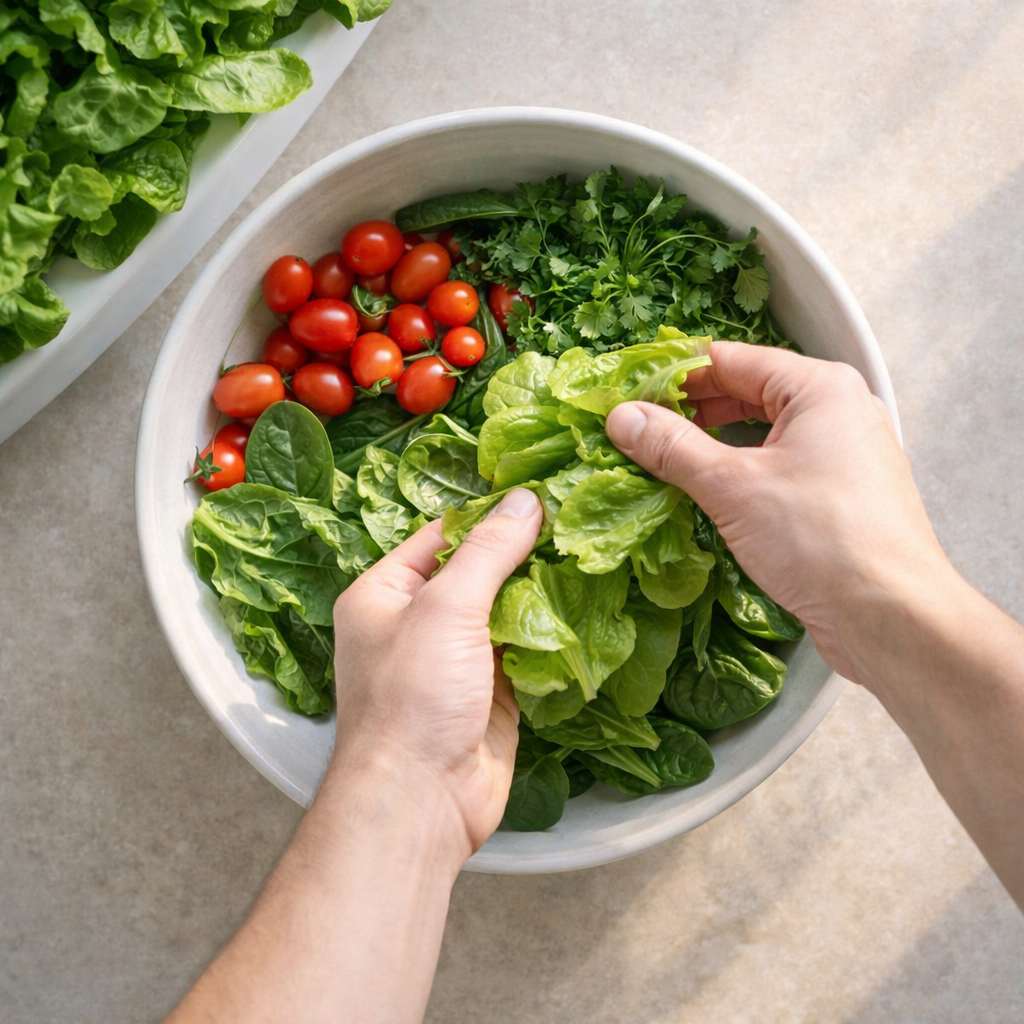
Home hydroponics doesn’t “add nutrients.” It removes delay. And when you can harvest right before you eat, you’re much more likely to get vegetables at their best texture, flavor, and overall quality.
This is the first quiet health advantage: it becomes easier to actually eat the vegetables you intended to eat, instead of watching them degrade into waste.
2) Consistency becomes something you can design
One reason nutrition conversations go in circles is that people want a single verdict: hydroponic or soil, which is “better”?
Reality is messier. Controlled studies show outcomes can swing depending on cultivar, light, nutrient strategy, temperature, and how the results are measured. In one side-by-side lettuce study, soil-grown lettuce showed higher antioxidant capacity than hydroponic lettuce under that specific setup and measurement approach.
That doesn’t mean hydroponics is “worse.” It means hydroponics is not a shortcut. You still have to grow well.
But here’s what is genuinely different in a home system: you’re no longer at the mercy of random variability. You can tighten the variables that matter most for quality, especially for leafy greens.
In practice, for most home growers, the biggest lever isn’t an exotic nutrient recipe. It’s light. When the light is too weak or uneven, greens stretch, thin out, and taste flatter. When the light is steady and adequate, the plant builds better structure, better color, better texture, and often better eating quality.
So the second health advantage isn’t “hydroponics makes vegetables superior.” It’s that hydroponics can make quality more repeatable, which makes your habits more repeatable. You stop guessing. You start learning. And once you learn what good growth looks like, you can reproduce it.
That’s a real-world advantage, because consistency is what turns “I’ll try to eat better” into “this is just what I do.”
3) Peace of mind gets more personal, and less ideological
There’s a loud narrative online that supermarket produce is dangerous. That’s not accurate, and it’s not useful.
The U.S. Department of Agriculture’s Pesticide Data Program (PDP) is one of the most credible datasets on residues in the food supply. In the PDP Annual Summary for calendar year 2024, USDA reports that more than 99% of sampled commodities had residues below EPA tolerances, and 42.3% had no detectable residue.
That’s the baseline reality: the mainstream supply chain is generally operating within regulatory safety limits.
So why do people still care about growing their own?
Because “within tolerances” is not the same as “I feel in control.” And because different people have different risk preferences. Some families want to reduce unknowns where they can, especially for foods they eat raw and frequently.
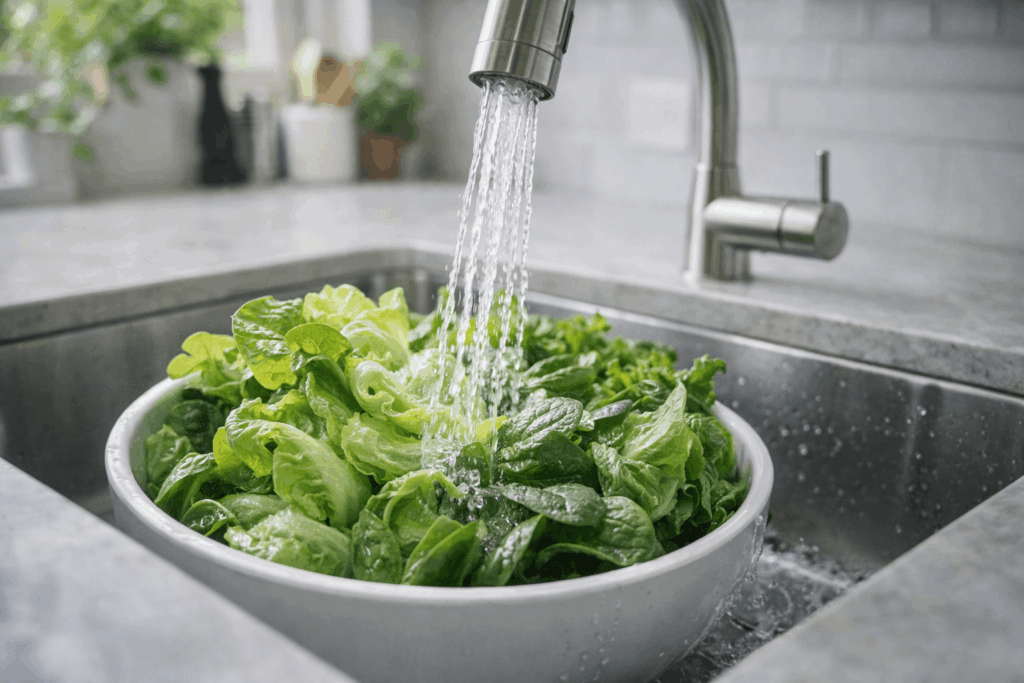
Home hydroponics gives you a different kind of leverage. Not the leverage of fear, but the leverage of choice. You can run a clean, indoor, low-intervention growing environment, and when issues show up, you see them immediately. You are not inheriting decisions made weeks ago in a field you’ll never visit.
If you’re doing this at home, the responsible mindset is not “pesticide-free perfection.” It’s “early detection and smart prevention.” That’s usually enough to keep leafy greens and herbs healthy with minimal inputs.
The “organic” question, without the marketing haze
A lot of confusion comes from the assumption that the origin story of nutrients determines the health value of the plant.
Plants absorb nutrients in specific chemical forms. Cornell’s nutrient management materials list the uptake forms for macronutrients, including nitrogen as nitrate (NO₃⁻) and ammonium (NH₄⁺), and potassium as K⁺.
This is why the “synthetic vs natural” argument often misses the point. The plant is not absorbing “organic.” It’s absorbing ions it can use to build tissue.
What does matter is your growing environment and your decisions: light, temperature, balance, cleanliness, harvest timing, and whether the process actually makes you eat more vegetables consistently.
So… is it actually healthier?
If you’re looking for a simple claim like “hydroponic vegetables are healthier than store-bought,” you can find studies that complicate it in both directions. Hydroponics can produce excellent quality, and it can also produce mediocre quality if conditions are off.
But if you care about real life, the conclusion tends to land somewhere more honest:
Home hydroponics can be “healthier” because it improves the parts that determine whether healthy eating happens at all.
It shortens the time between harvest and plate, which supports freshness and reduces waste.
It makes quality more repeatable, especially for leafy greens, once you dial in your environment.
And it gives you more control over inputs and handling, without requiring you to believe the grocery store is unsafe.
That’s the real advantage: not a miracle, not a slogan, but a shift from hoping your vegetables will be good to knowing they can be.
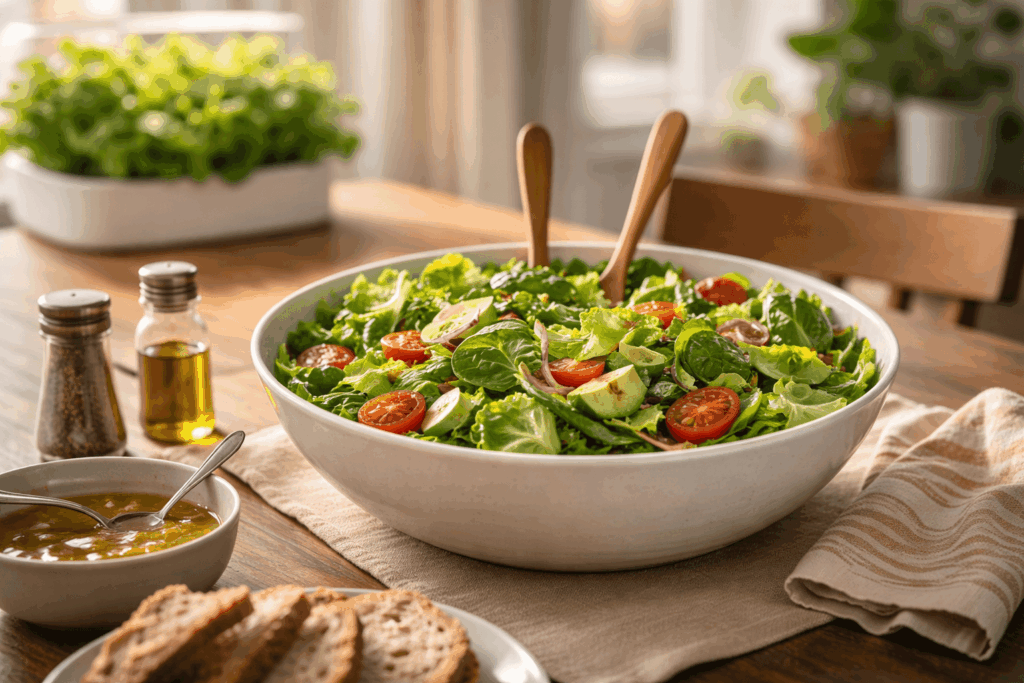
If you want to keep it simple, start with one goal: grow leafy greens you genuinely enjoy eating. When the salad tastes alive, the health benefit stops being theoretical. It becomes automatic.

Danny
Danny writes beginner guides at Water Cultures. Self-taught and based in Minneapolis, he got into hydroponics because he wanted fresh peppers year-round. He killed three rounds of basil before anything survived. His articles are for the person Googling hydro problems at midnight.