Hydroponic EC vs TDS: What the Numbers Really Mean (and What to Do When They’re Off)

You top off the reservoir, add a little more nutrients, and feel like you did the responsible thing.
Then the plant looks worse.
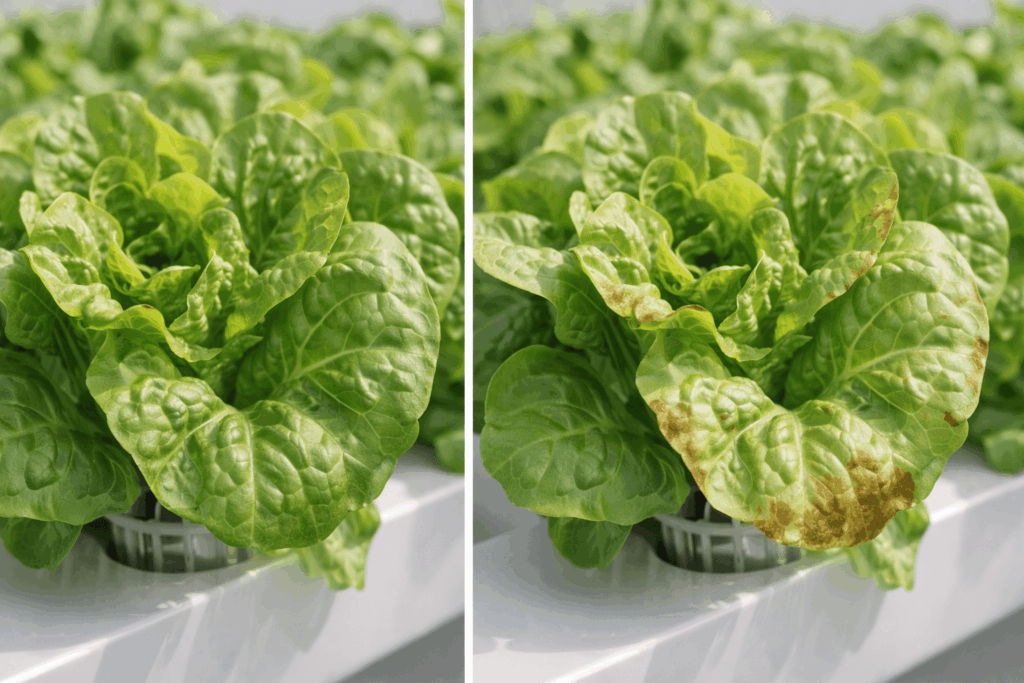
Leaves curl. Tips burn. Growth slows. And suddenly you’re stuck in the most frustrating loop in hydroponics: you’re doing “more,” but the results keep moving in the opposite direction.
This is usually where EC enters the story, not as a technical concept, but as the missing translation between what you’re doing and what the plant is experiencing.
EC is the simplest “truth detector” you have
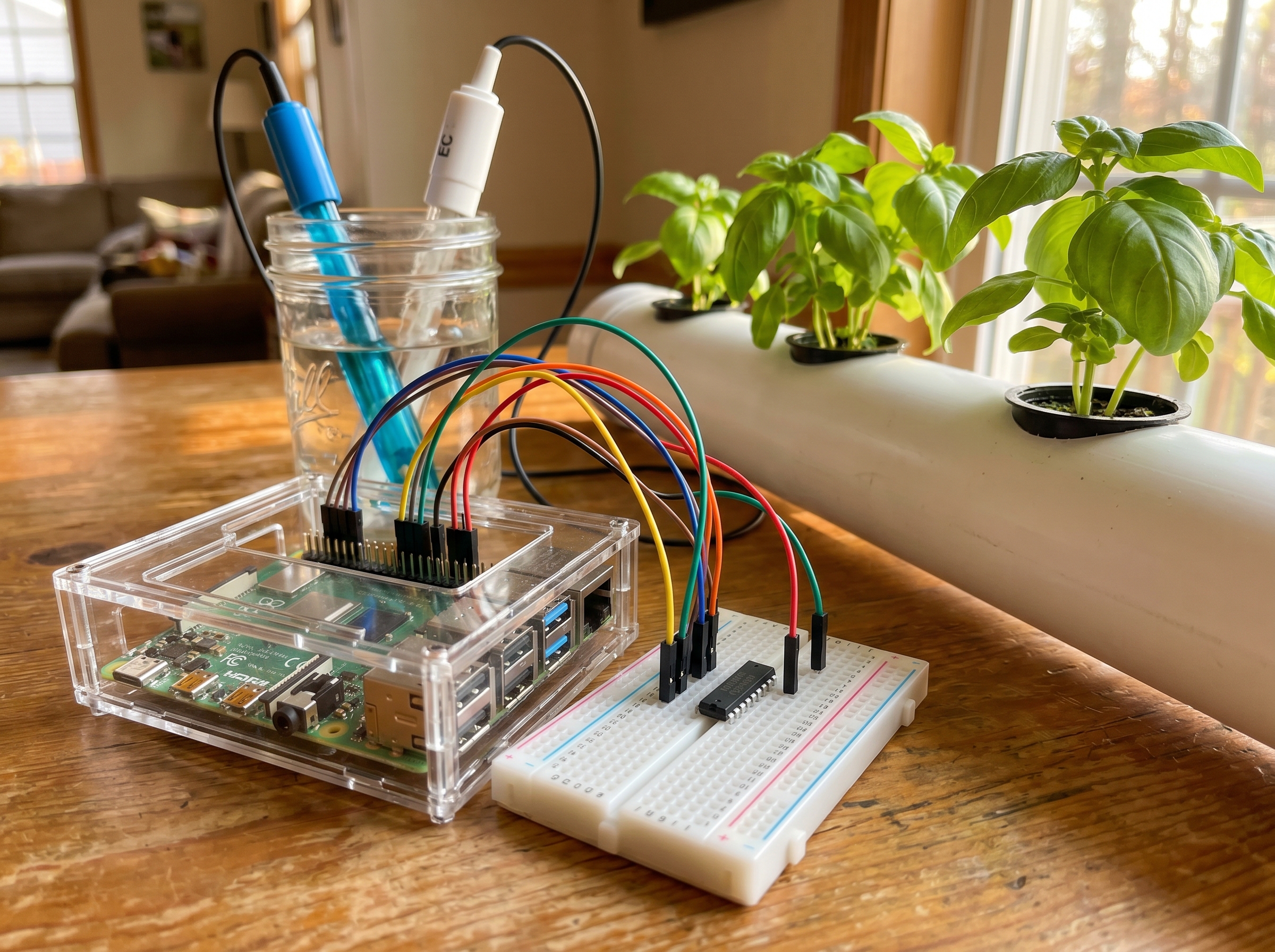
EC stands for Electrical Conductivity. In plain English, it’s a way to estimate how many dissolved ions are in your water – nutrient salts, minerals, and anything else that conducts electricity. The more ions in solution, the higher the conductivity, and the higher your EC reading.
That’s why EC is so useful in hydroponics. It doesn’t tell you which nutrients are in balance, but it gives you an immediate signal about whether your nutrient solution is broadly too weak, too strong, or drifting over time.
When EC is too low, plants often behave like they’re underfed: slower growth, paler leaves, reduced vigor.
When EC is too high, the plant can struggle to take up water properly (osmotic stress), and you’ll often see tip burn, edge burn, or a general “tight, stressed” look.
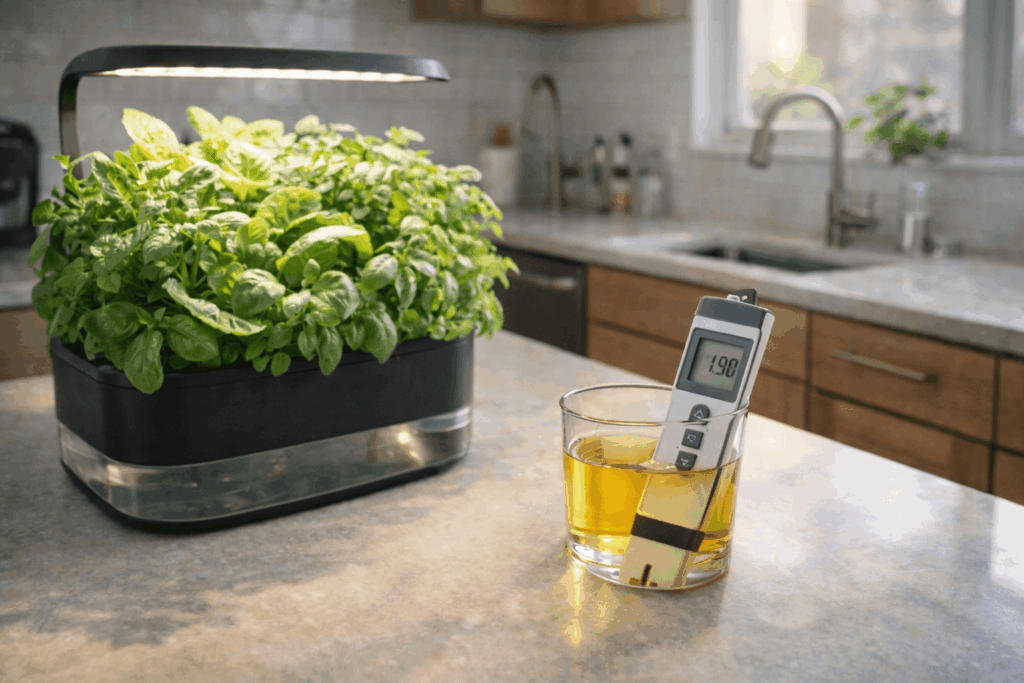
EC vs TDS: why your meter might show two different “languages”
You’ll often hear EC and TDS used interchangeably, but they are not the same measurement.
- EC is measured directly (usually in mS/cm or µS/cm).
- TDS is typically shown as “ppm,” and is often a calculated conversion from conductivity-not a true lab measurement of dissolved solids.
That’s where confusion starts: two meters can show different “ppm” numbers for the same water because they’re using different conversion scales.
Bluelab explains this clearly: ppm 500 is based on a NaCl standard, while ppm 700 is based on a KCl standard.
Hanna also notes that TDS is derived from EC using a TDS factor, and that the factor depends on the solution type (they discuss common factor ranges used for different ionic mixtures).
So if you want less confusion, make this your rule: use EC as your primary number, and treat ppm/TDS as a secondary display.
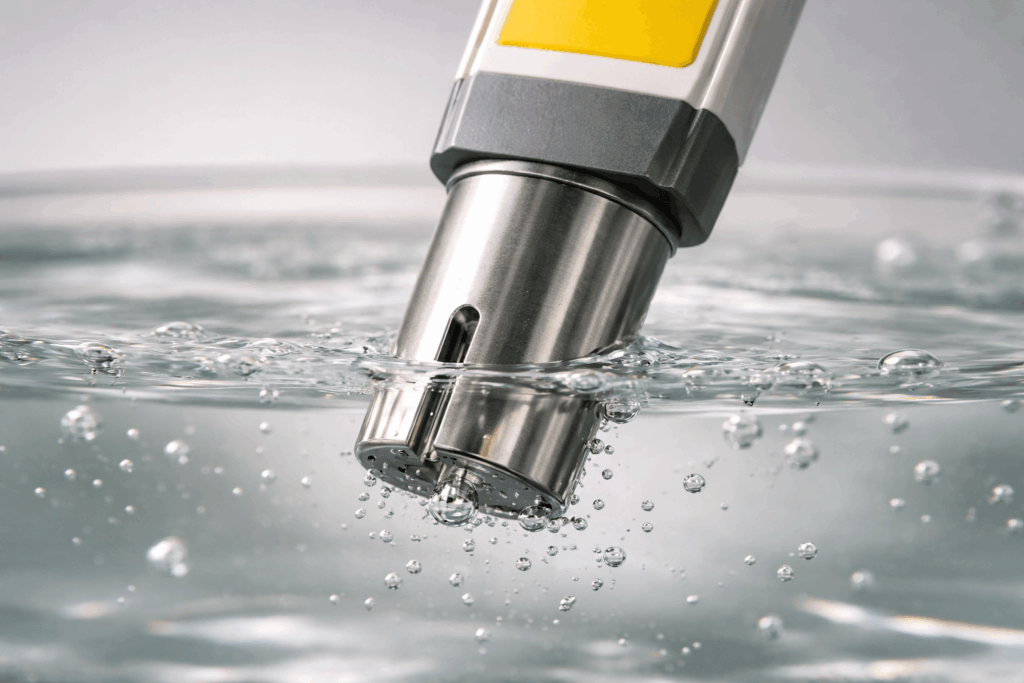
Before you chase “the perfect number,” know your starting water
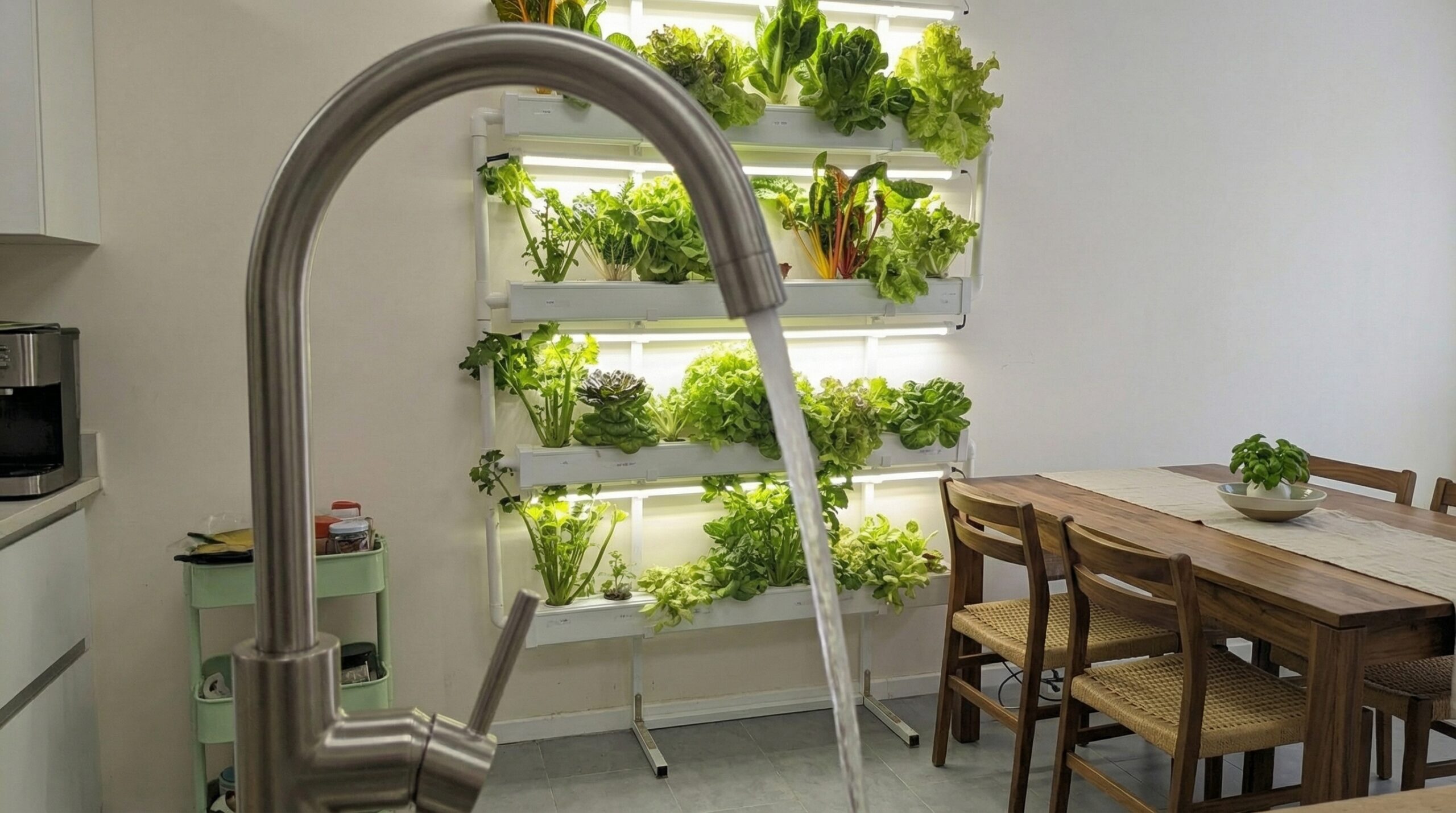
Your nutrient targets assume you’re starting from a reasonable baseline. But tap water is not “neutral.” It already contains dissolved minerals, and those minerals count toward EC.
In the U.S., one useful reference point is the EPA’s secondary (non-enforceable) guideline for Total Dissolved Solids (TDS) at 500 mg/L-largely because higher dissolved solids can affect taste, scaling, and household equipment.
That doesn’t mean your tap water will be 500 ppm. It means: if your baseline water is already high, you have less room to add nutrients before you push the plant into stress.
If your baseline EC/TDS is high and you keep fighting it, you’re not failing-you’re just trying to build a clean recipe on top of a noisy ingredient. At that point, blending with reverse osmosis (RO) water or using filtration becomes a practical tool, not a “premium upgrade.”
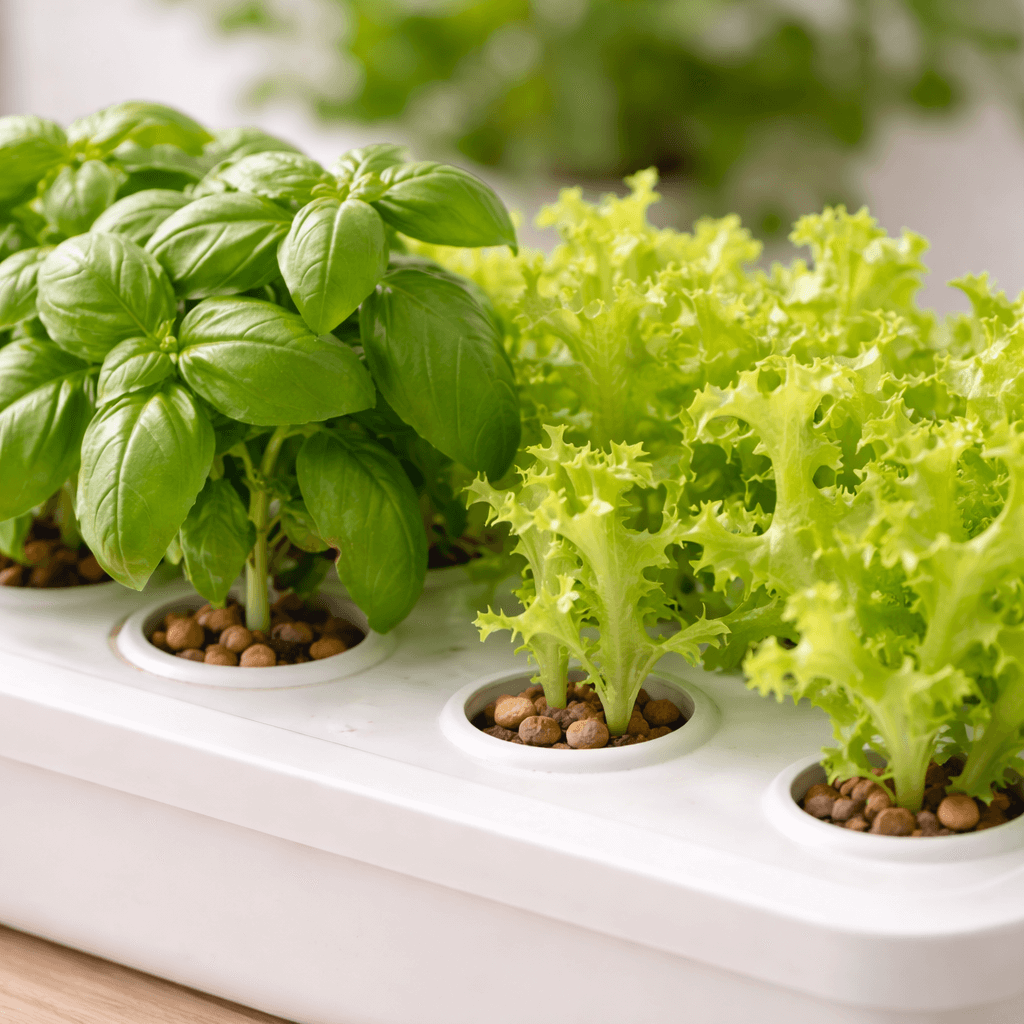
What EC should you actually aim for?
There isn’t one correct EC for “hydroponics.” There are crop ranges, stage ranges, and real-world ranges that shift with heat, light, and growth rate.
Oklahoma State University Extension provides a solid reference table of optimum EC ranges (mS/cm) for many hydroponic crops. As examples from their table:
- Basil: 1.0–1.6
- Lettuce: 1.2–1.8
- Cucumber: 1.7–2.0
- Tomato: 2.0–4.0
Notice what that implies: leafy crops often live comfortably in the lower ranges, while fruiting crops generally tolerate-and often require-higher nutrient strength.
If you’re growing mixed crops in one reservoir, the “correct” approach is usually not perfection. It’s choosing a middle ground and prioritizing plant health signals (leaf color, growth pace, tip burn) over chasing a chart number.
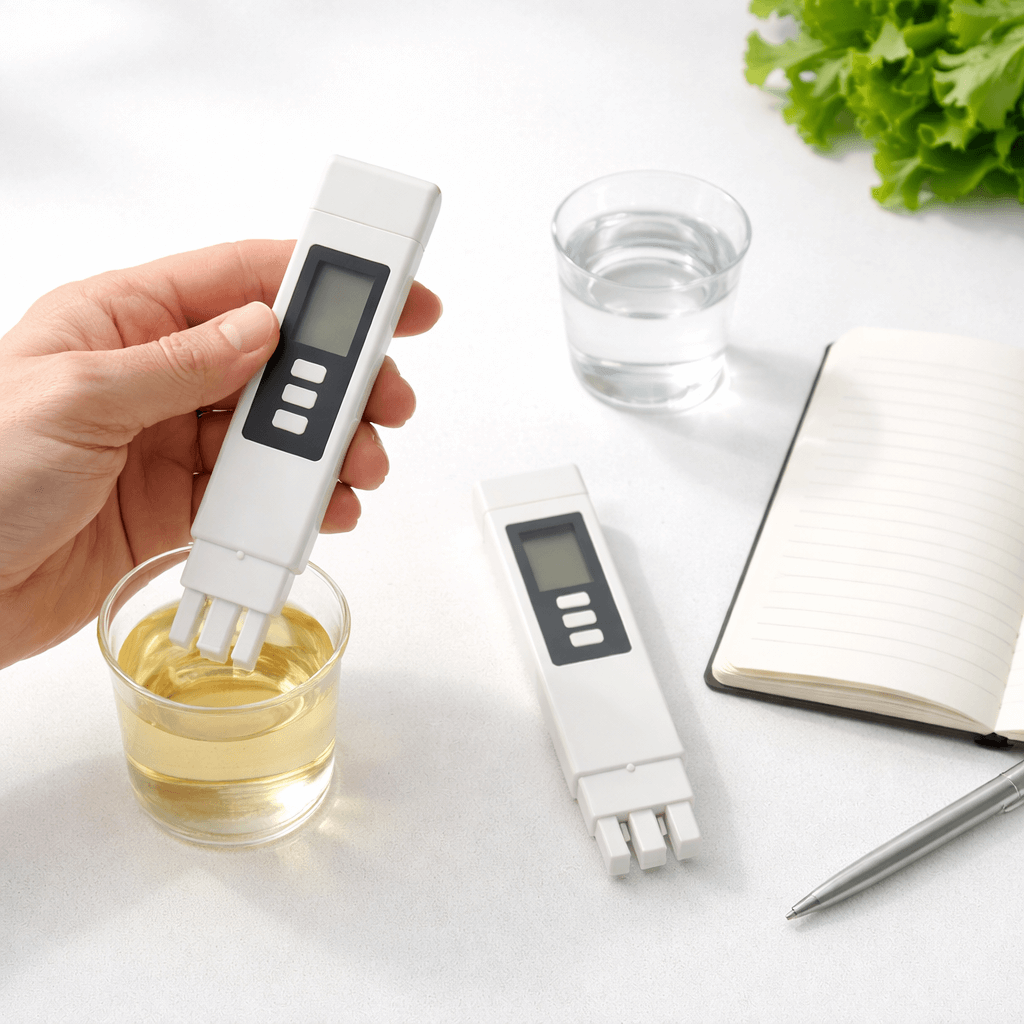
Measuring EC: the part most people skip (and it matters)
An EC meter is simple, but the process needs a bit of discipline if you want readings that are trustworthy.
OSU Extension outlines the basics: calibrate your meter with a buffer solution, stir the nutrient solution, let the reading stabilize, then adjust by dilution or by adding nutrient concentrate.
Two small details that save a lot of mistakes:
First, EC changes with temperature, so give the solution a moment and avoid taking a reading the second the probe touches water.
Second, always rinse your probe after use and store it properly to keep readings stable over time.
Balancing EC without shocking your plants
This is where people overreact. They see a number, and they “fix it” aggressively, and the plant pays the price.
A calmer approach works better: adjust, wait, re-check.
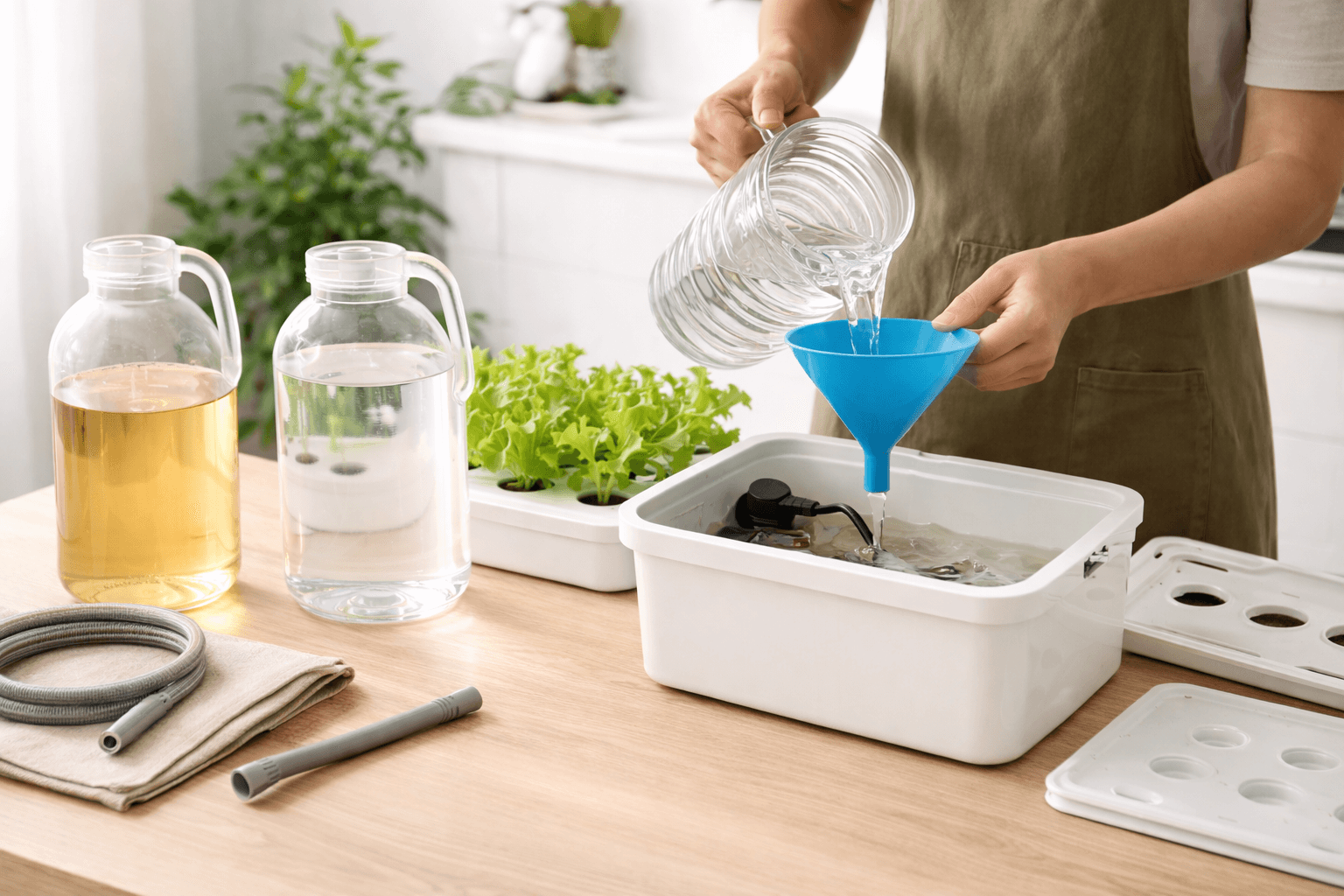
Here’s the practical logic OSU recommends: if EC is high, dilute by adding water; if it’s low, add nutrient concentrate, allow the solution to mix, then re-check once it stabilizes.
If you’re doing this at home, the goal is not constant tweaking. The goal is avoiding big swings.
Why EC drifts even when you’re “doing everything right”
Even if you never change a thing, plants selectively take up ions. Over time, the nutrient ratio can drift away from what you intended. That’s why topping up can become a trap: you keep adjusting EC, but certain salts can accumulate while others get depleted.
OSU explicitly warns that nutrient ratios can move beyond desired limits over time and recommends fully replacing the nutrient solution every two weeks to prevent problems in recirculating systems.
In real home setups, the “right cadence” depends on reservoir size, plant load, and how stable your readings are-but the principle is the same: if you keep correcting the number and the plants keep declining, it’s often time for a clean reset rather than another small tweak.
The conclusion you can trust
EC won’t make you a better grower overnight. But it will stop you from guessing.
It tells you whether your reservoir is drifting into “too weak,” “too strong,” or “unstable,” and it gives you a clean way to correct course without drama. It also teaches you something bigger: plants usually don’t need constant intervention. They need a stable environment.
Once EC becomes a quiet habit-an emergency tool-hydroponics gets dramatically easier.

Nate
Nate covers the science behind hydroponic growing at Water Cultures. A former middle-school science teacher turned vertical farm builder, he can take any concept — nutrient lockout, dissolved oxygen, light spectrum — and make it land in two sentences. Not by dumbing it down, but by finding the right analogy.