Hydroponic Leaks? Root Pruning Might Be the Fix (Here’s When and How to Do It Safely)

At some point, every hydroponic grower hits the “root jungle” moment.
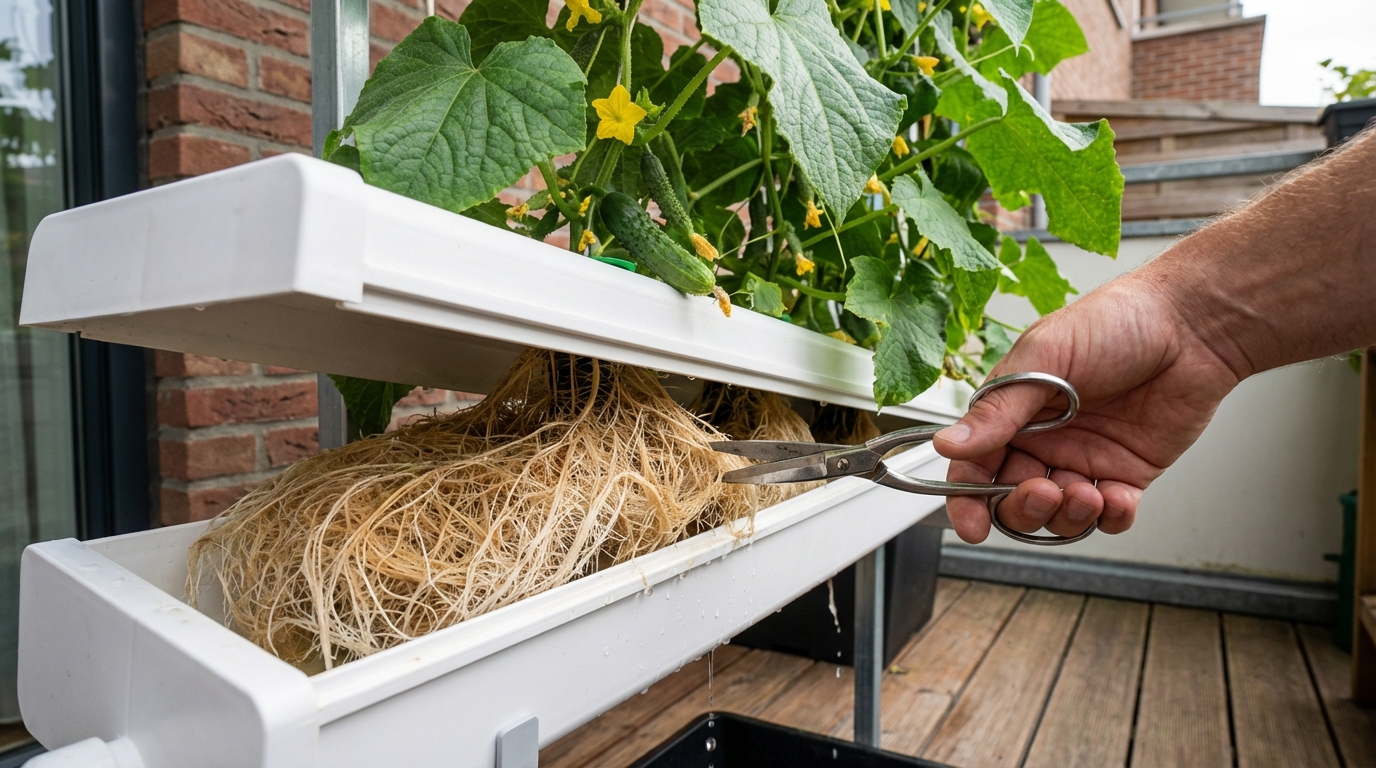
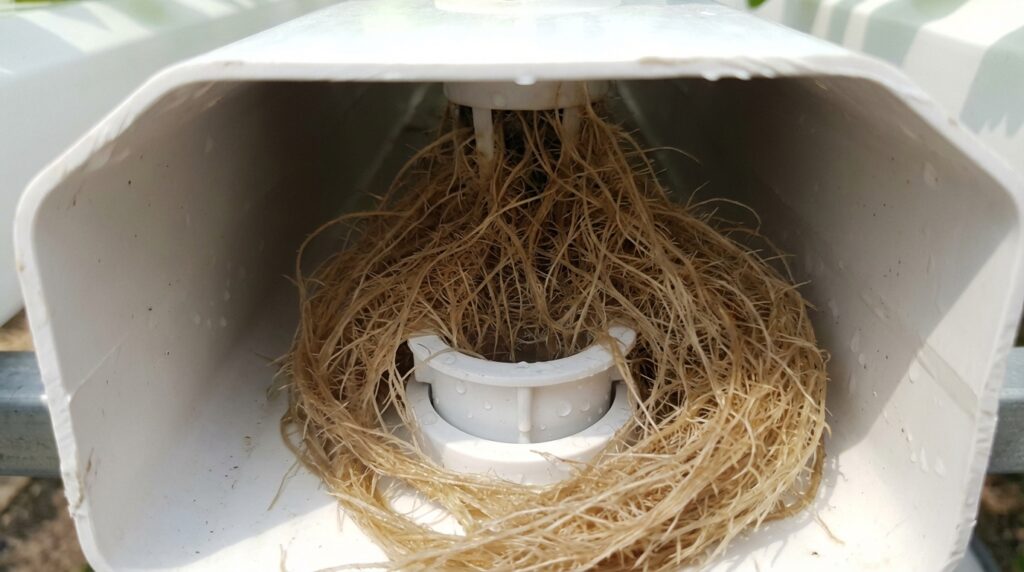
Everything looks fine from above. Leaves are green, growth is strong, and you’re feeling proud. Then you notice the water moving strangely at the end of a channel, or a drip line that suddenly isn’t dripping the same way. Maybe the system starts gurgling, backing up, or even leaking. You lift the lid and see it: a dense mat of roots that has quietly taken over the plumbing.
That’s where root pruning enters the conversation.
Done carefully, trimming roots can be a practical way to clear space, restore flow, and keep plants supported in tight systems-especially in warmer months with long-season, fruiting crops that build big root mass. Done aggressively (or done while disease is present), it can stress plants and make problems spread faster.
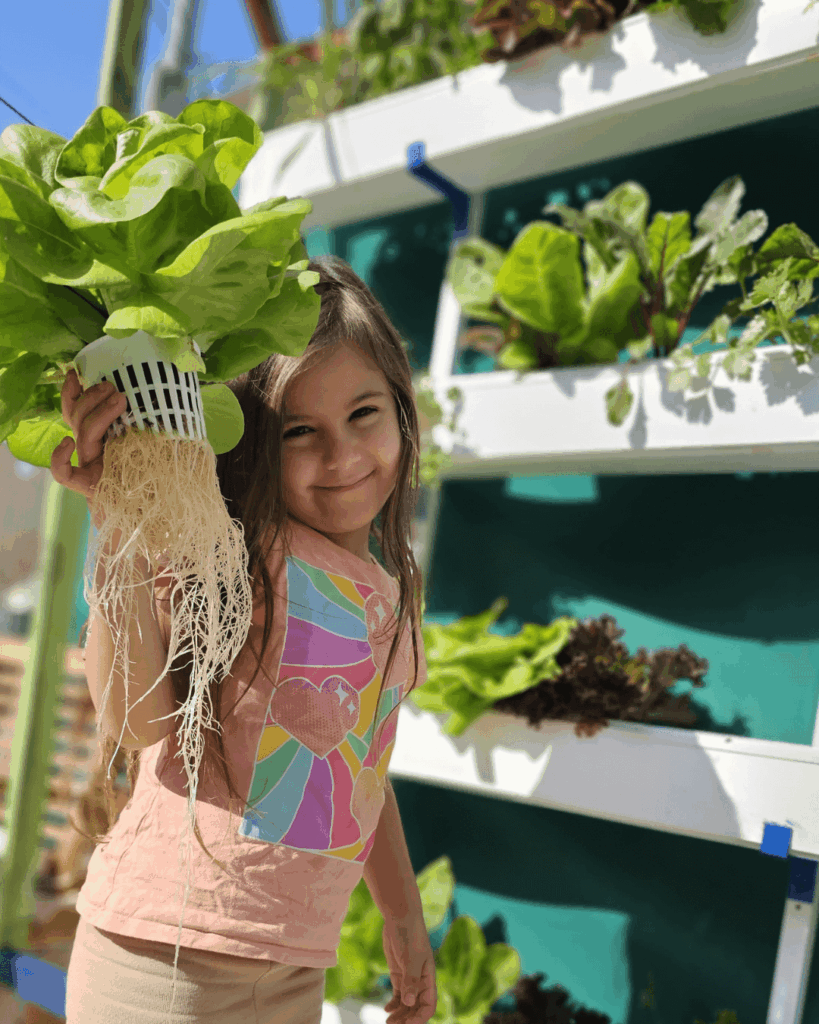
What root pruning is (and what it isn’t)
Root pruning in hydroponics is exactly what it sounds like: selectively trimming excess roots so they don’t crowd the channel, tangle around drains, or restrict water movement. The goal is not to “improve” a healthy plant by default. The goal is to solve a physical constraint: too much root mass for the space and flow path your system provides.
If you’re growing fast-cycle leafy greens and herbs and harvesting regularly, you may never need it. It shows up most often when you’re running crops longer than the system was designed for, or when warm weather accelerates growth and root expansion.
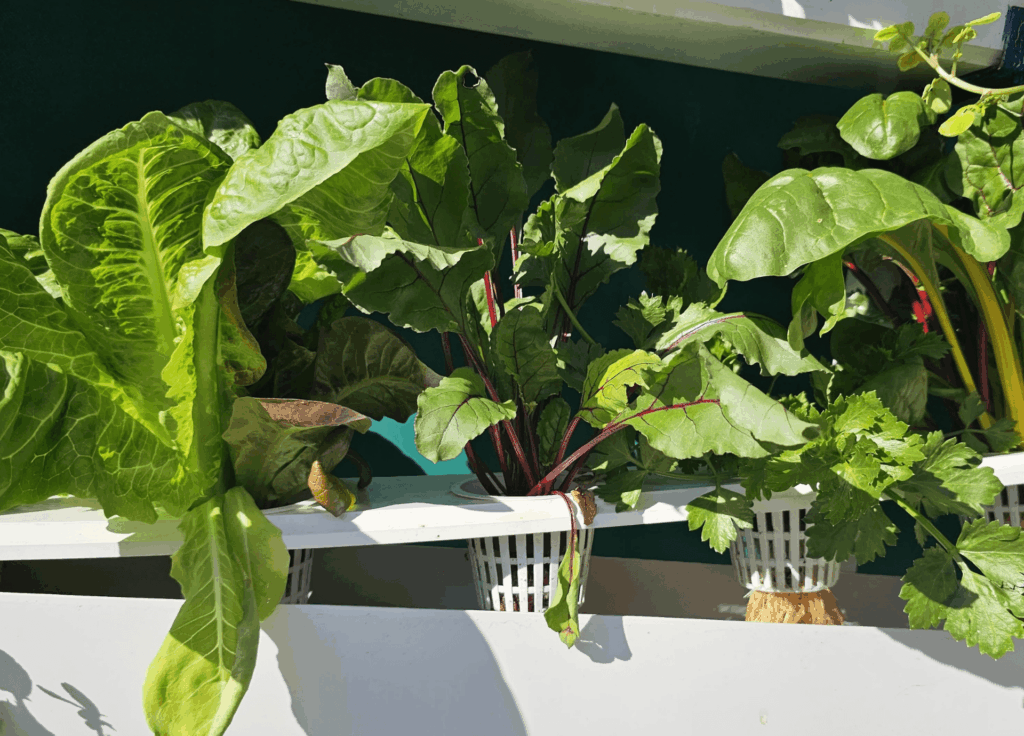
When root pruning is worth considering
A good rule: prune roots because your system is telling you to, not because a calendar says so.
Consider it when you notice one or more of the following:
- Water flow looks restricted (pooling, uneven film, or backing up at the end of a channel).
- Roots are gathering right where the channel drains, or building a “plug” around a return line.
- You see accumulating root debris, biofilm, or algae that’s making maintenance harder.
- You’re pushing NFT beyond its comfort zone with longer-season, larger-rooted crops, and the channels are getting crowded.
And one important reality check: if you’re repeatedly needing to prune on the same grow, it may be less about “maintenance” and more about a crop–system mismatch. NFT shines with shallow-rooted, fast-turn crops; longer-season, large-root systems often do better in systems that offer more root volume (like substrate/bucket methods).
Before you cut anything: two quick safety gates
Gate 1: Are the roots healthy?
If you see a slimy coating, widespread browning/necrosis, or a clear “rotting” pattern, don’t treat this like a simple trimming job. In recirculating systems, water-borne pathogens can spread rapidly through the shared nutrient solution, so “cut and put back” can worsen the situation if disease is active.
Gate 2: Are your tools clean enough for hydroponics?
In hydroponics, you’re basically doing minor surgery in a system where the same water touches every plant. Sanitize cutting tools before you start. A straightforward method is using 70% isopropyl (rubbing) alcohol-wipe or dip the blades; no dilution required.
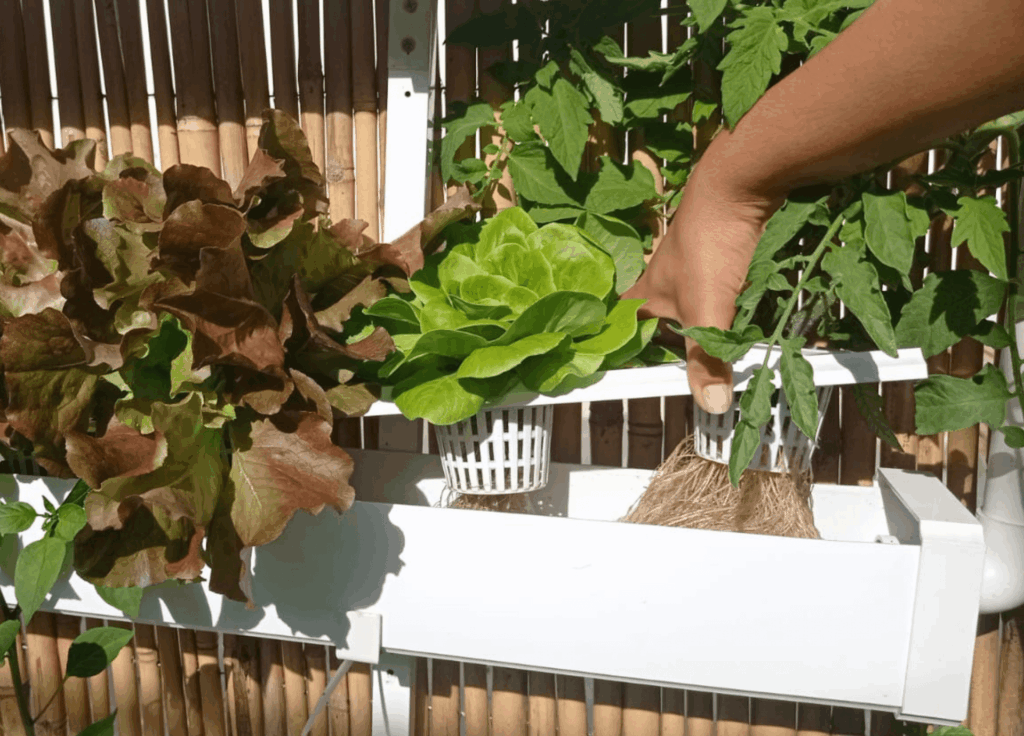
How to prune roots without shocking the plant
The safest approach is conservative: remove only what’s necessary to restore space and flow, and avoid damaging the thick, structural roots.
Here’s a simple, field-tested workflow:
First, shut off the pump so you can work without pulling roots into moving parts or tearing them by accident. If your system has removable channel lids, lift the lid to access the root zone without yanking plants out one-by-one. If you’re working with closed pipes, remove plants gently-roots are more fragile than they look, and rough handling can set the plant back hard.
Now trim with clean, sharp scissors or pruners. Focus on the long, thin roots that are tangling, crowding, or blocking the drain path. Make clean cuts rather than tearing. you can shorten finer roots (even up to about half their length if needed), but avoid cutting the thick roots. Those thicker roots are doing heavy lifting for water and nutrient transport, and removing them is where pruning turns “maintenance” into “trauma.”
After trimming, rinse the root mass to remove loose cut pieces. This is not cosmetic. Root fragments left inside channels can break down and contribute to clogging and hygiene issues. Commercial growers often physically flush or rinse channels to remove plant pieces before reconnecting the system for exactly this reason.
Then return the plants, making sure they’re supported and spaced so roots aren’t immediately packed back into the same choke point. Turn the pump back on and confirm normal flow.
What to watch in the next 72 hours
A good prune should look boring afterward: the plant keeps moving forward.
Over the next few days, keep an eye on:
- Leaf posture: a little dip right after handling can happen; persistent wilting is a sign you cut too hard or damaged key roots.
- Flow stability: if the system still backs up, you may have a design bottleneck (drain size, slope, channel length, filtration).
- Root appearance: healthy regrowth is typically light-colored and firm; worsening slimy coating or progressive browning suggests a hygiene/disease issue that won’t be solved by cutting alone.
Your original note is the right mindset: careful pruning can encourage continued healthy growth; traumatic pruning can push a plant into stress. Learn, adjust, and keep it conservative.
If you keep needing to prune, fix the real problem
Root pruning is a tool. It’s not a strategy.
If you’re pruning constantly, one of these is usually true:
- The crop wants more root volume than the channel provides.
- The channel run is too long or the slope/flow design is creating weak spots.
- You’re accumulating root debris and biofilm faster than your cleaning routine can handle.
At that point, the best “upgrade” might be changing the system approach for those crops (buckets/substrate culture, larger channels, shorter runs, better filtration), not getting better at cutting roots.

Nate
Nate covers the science behind hydroponic growing at Water Cultures. A former middle-school science teacher turned vertical farm builder, he can take any concept — nutrient lockout, dissolved oxygen, light spectrum — and make it land in two sentences. Not by dumbing it down, but by finding the right analogy.